Ateliere de mișcare conștientă, spectacole și intervenții artistice care susțin corpul, relațiile și transformarea socială.
© TeatruDansTerapie. All rights reserved.
Sunt Ana Dumitrașcu, specialist interdisciplinar, creatoare de spații unde corpul, jocul și relația devin limbaj viu. Lucrez cu mișcare, dans terapie și teatru pentru a susține transformarea și învățarea.
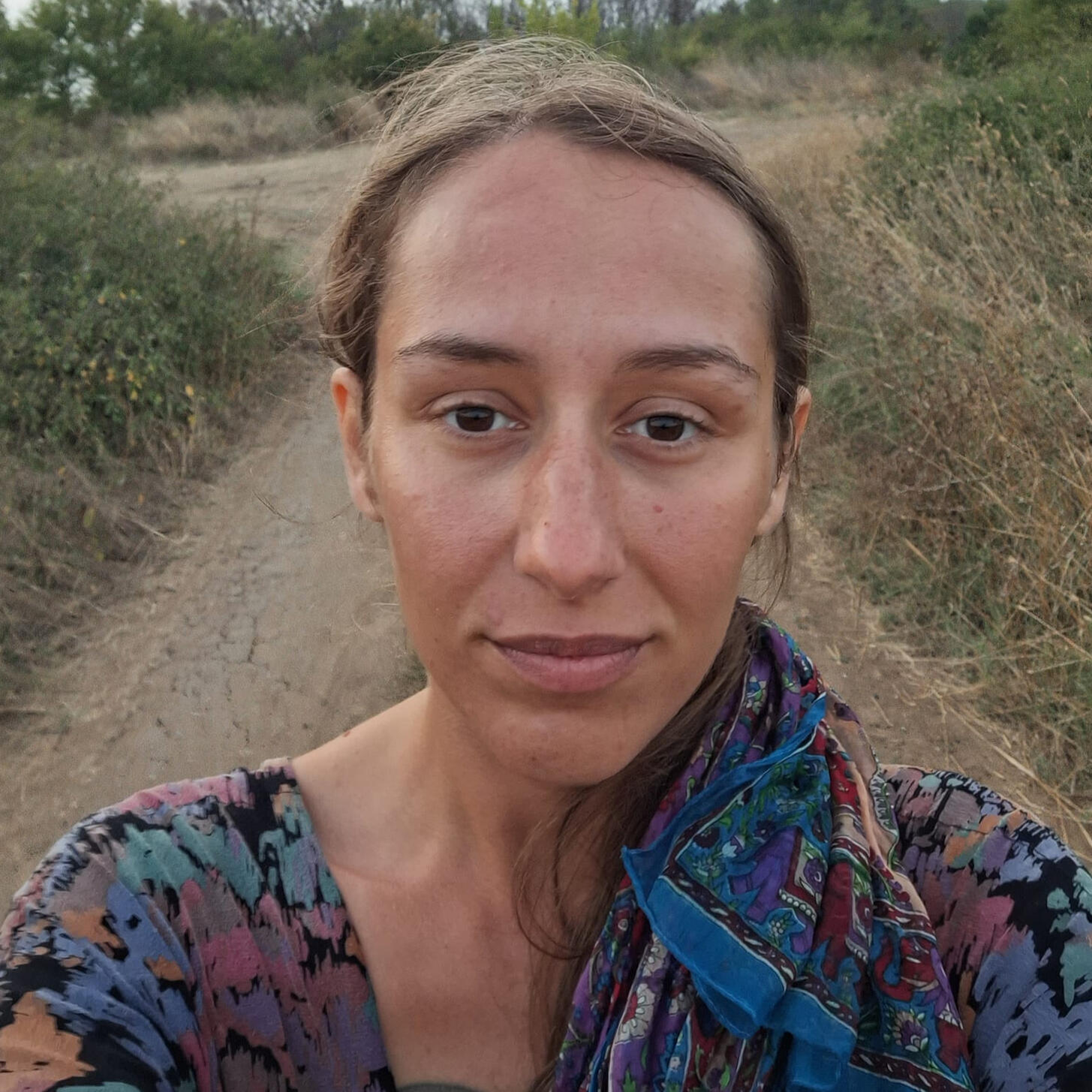
Sunt artistă, terapeut prin dans și mișcare în formare, facilitator de procese educaționale și creative, cu un parcurs care împletește teatrul, corpul și relațiile umane. Lucrez la granița dintre artă și terapie, dezvoltând proiecte care dau voce celor tăcuți, spațiu celor retrași și mișcare acolo unde pare că e blocaj.
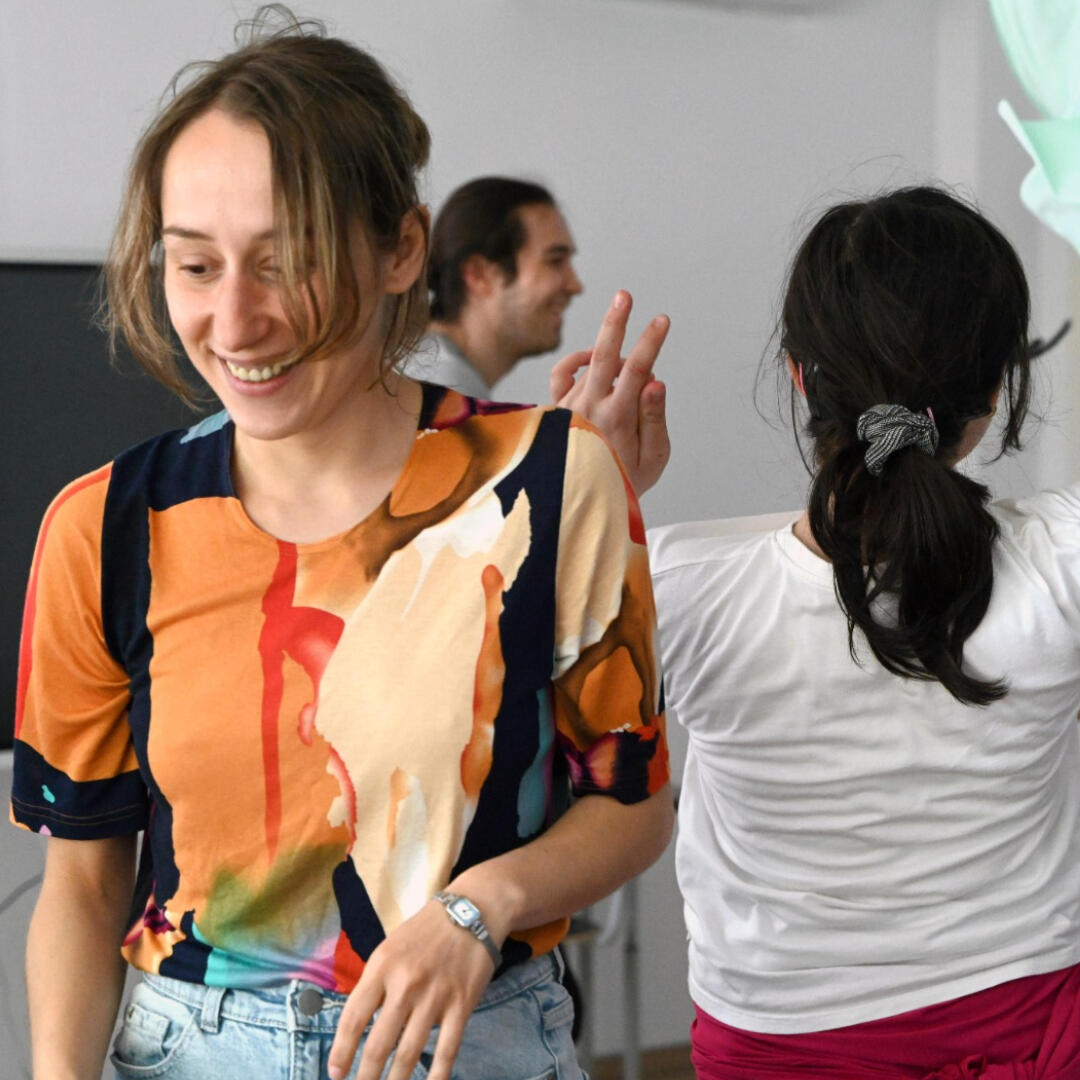
Mă implic în spectacole de teatru forum, teatru de umbre, ateliere de mișcare și dans, care abordează teme de incluziune, diversitate, corp și dezvoltare globală.
Susțin sesiuni individuale și de grup de dans-terapie, lucrând cu copii neurodivergenți, adolescenți, părinți și adulți care caută reconectare prin corp.
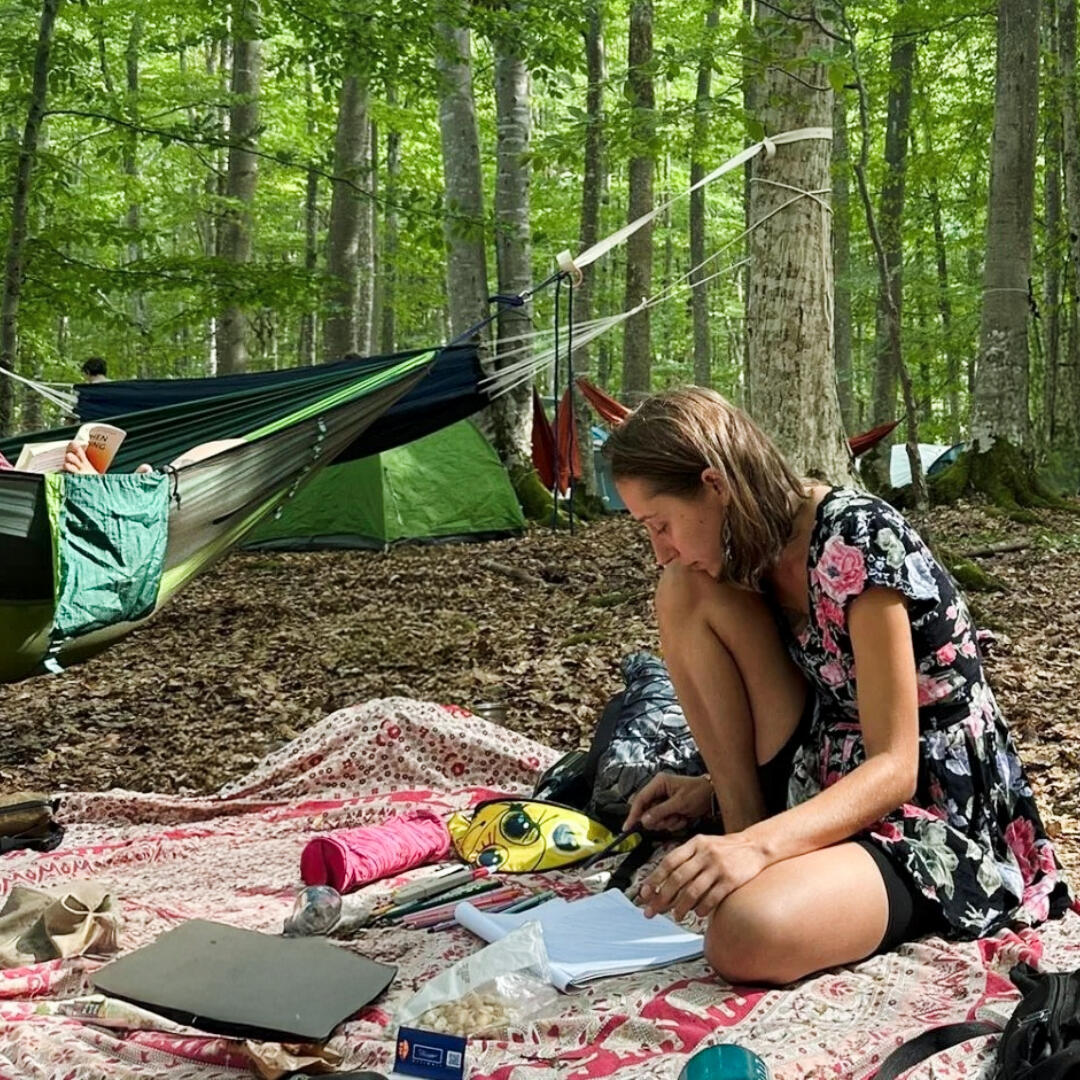
Cred în forța poveștilor trăite și exprimate prin mișcare, în importanța blândeții în lucru cu sinele și în corp ca spațiu viu de cunoaștere. Caut să creez contexte sigure, curioase și expresive, în care oamenii să-și regăsească vocea, fie ea verbală, corporală sau artistică.
Spațiu pentru ateliere de mișcare, individuale și de grup.
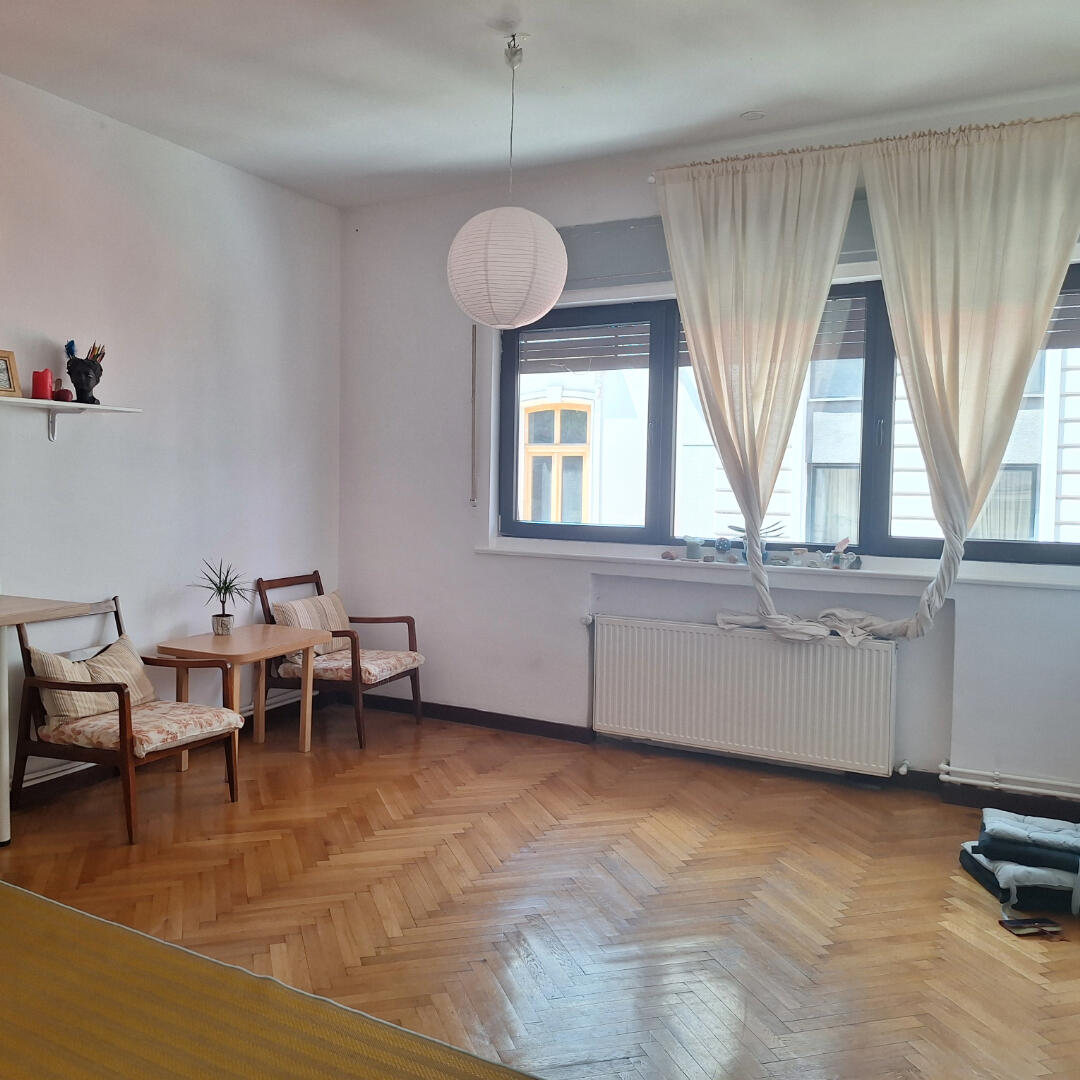
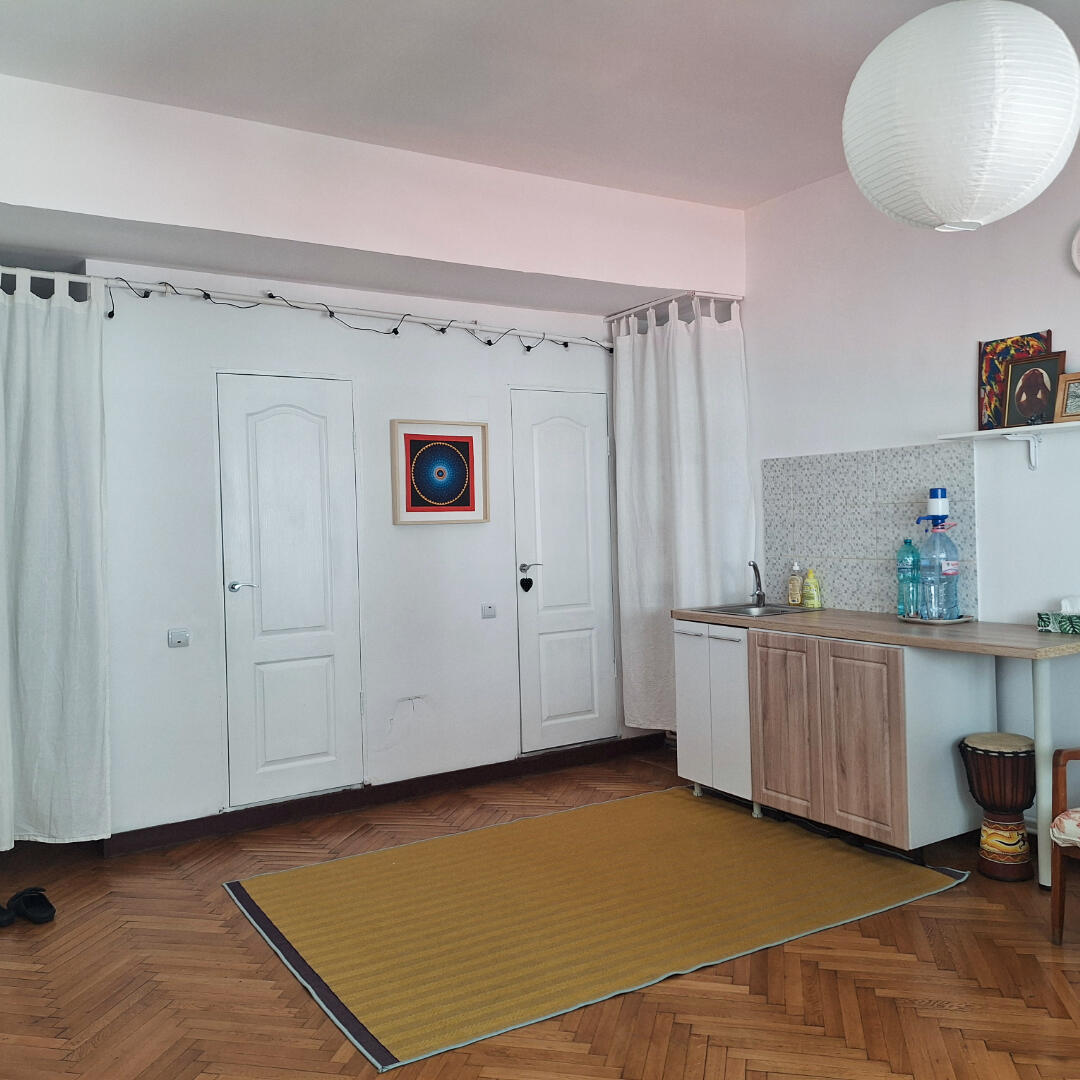
Așezat în inima Bucureștiului, la etajul unu al unui imobil istoric de pe Strada Șepcari nr. 9. Spațiul nostru te invită într-un loc luminos, aerisit și primitor, un colț de intimitate într-un oraș mereu în alertă.
Programul PULS
Sesiuni individuale copii
Grupuri de explorare prin mișcare pentru adulți și sesiuni individuale adulți
© TeatruDansTerapie. All rights reserved.
Corp Minte Teatru Forum
Proiecte teatrale pentru educație, schimbare socială, cercetare prin teatru oprimaților, teatru forum, pedagogie critică.
Umbros
Teatru & Artă Expresivă
Teatru de umbre pentru copii, artă expresivă și mișcare conștientă.
Povești care prind viață în lumină și întuneric.
Spectacole non-verbale, poezie vizuală, emoție blândă.
© TeatruDansTerapie. All rights reserved.
Spectacole și proiecte
Teatru forum
"Zmeii și Cei-Care-Au-Devenit-Furtună"
Spectacol dedicat adolescenților între 12 și 18 ani, care abordează teme profunde și actuale: bullying-ul, abuzul emoțional și marginalizarea. Prin trei povești puternice, spect-actorii pătrund în universul adolescenților care se confruntă cu frica, tăcerea și neputința — dar care învață că vocea lor are puterea de a schimba realitatea.
Spectacolul își propune să deschidă un dialog sincer despre impactul tăcerii și despre nevoia de sprijin în momentele dificile, în timp ce spect-actorii intervin direct în desfășurarea poveștii, căutând împreună soluții pentru sprijin reciproc, susținerea supraviețuitorilor abuzului și prevenirea marginalizării.Spectacolul "Zmeii și Cei-Care-Au-Devenit-Furtună" face parte din proiectul "EEI!-Ecosisteme Empatice Incluzive", implementat de Entuziart - Art în cadrul Programului SAVE („School Anti-Violene Ecosystem”), coordonat de Fundația World Vision Romania și cofinanțat de Uniunea Europeană.
teatru forum
"De ce nu mă ascultă nimeni?"
Un spectacol de Teatru Forum creat cu intenția de a pune sub semnul întrebării practici și vizuni sociale asupra intimității și mai puțin pentru a oferi răspunsuri. Este special conceput pentru adolescenți și propune spre dezbatere și împărtășire situații în care aceștia se regăsesc fie acasă, la școală, ori în grupul de prieteni, oferindu-le ocazia de a schimba firul acțiunii, de a propune și aplica decizii sănătoase pentru protagoniști. Prin intermediul spectacolului, ne dorim să facem auzită vocea adolescenților și să purtăm discuții pe care cu toții ni le dorim dar nu știm cum, despre schimbări ale corpului, dorințe, curaj, limite și abuz în relații.
În același timp, reprezentația teatrală alături de forum reprezintă o sursă de inspirație pentru părinți și specialiști în comunicarea plină de provocări pe temele atinse.Spectacolul "De ce nu mă ascultă nimeni?"este un rezultat al proiectului "Corp, minte și intimitate în relații" derulat de Asociația Entuziart, printr-o echipă de artiști performativi/vizuali/audio și psihoterapeuți și cofinanțat de AFCN.
© TeatruDansTerapie. All rights reserved.


© TeatruDansTerapie. All rights reserved.
Forum în Comunitate
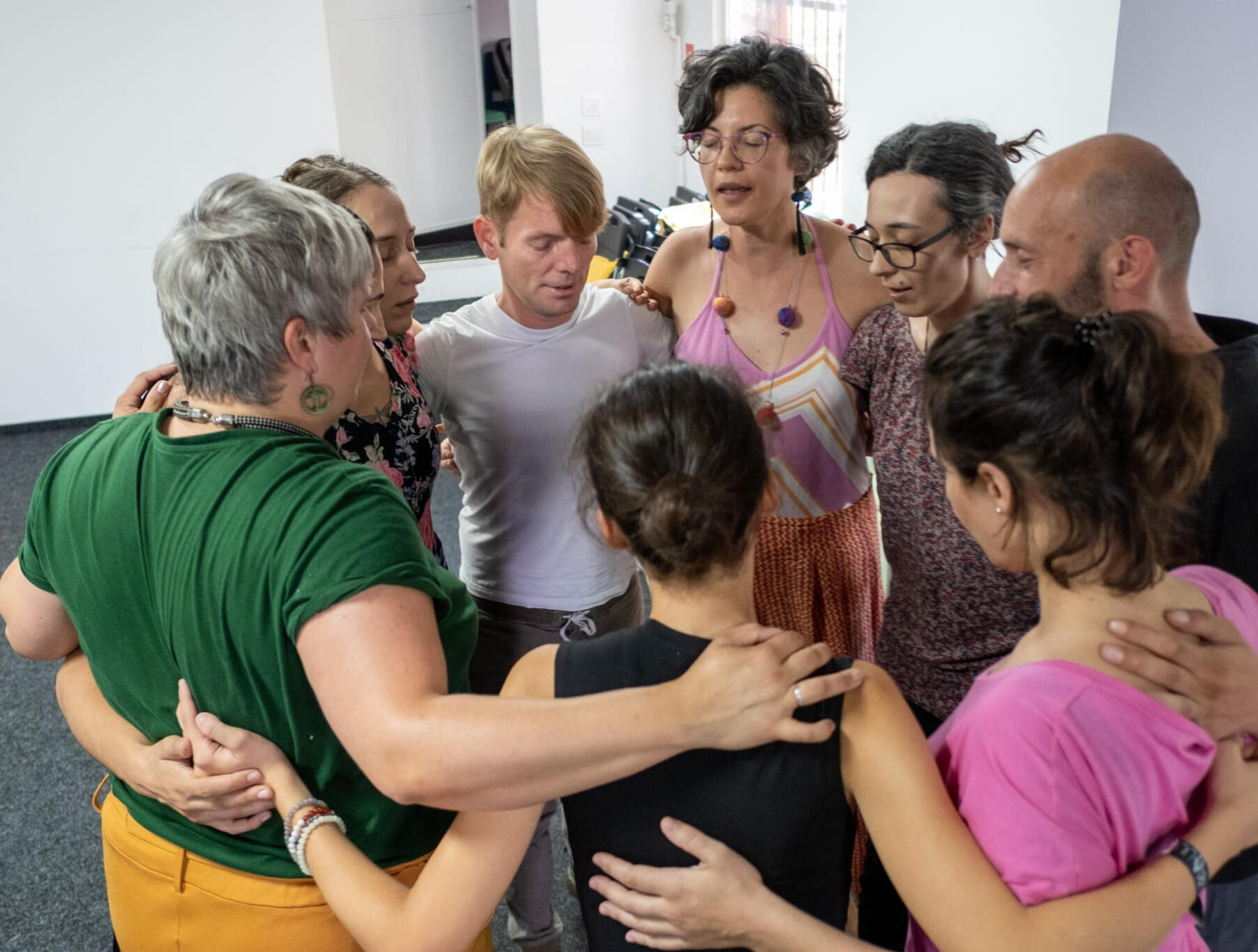
Teatru Forum – un instrument educațional și de schimbare comunitară
Simți că în comunitatea ta există o problemă care apasă, o nedreptate, un conflict nerezolvat, o nevoie care cere ascultare?
Acest serviciu presupune câțiva pași esențiali:
🔸 Contactul cu o comunitate deschisă să reflecteze asupra unei dificultăți sociale, educaționale sau relaționale, poate fi o școală, un ONG, o echipă sau un grup informal.
🔸 O înțelegere cât mai clară a nevoilor reale, prin observație, interviuri, discuții sau vizite.
🔸 Stabilirea unor obiective clare pentru spectacol și procesul educațional din jurul său.
🔸 O perioadă de 2-3 luni în care scriem scenariul și construim spectacolul împreună cu echipa artistică și, uneori, cu persoane din comunitate.
🔸 Reprezentația (sau mai multe), însoțită de facilitarea intervențiilor din partea publicului.
Ateliere de Teatru Forum – educație, reflecție și transformare socială
Atelierele de Teatru Forum creează un spațiu sigur și expresiv în care participanții pot observa, simți și transforma împreună situații de injustiție.
🔸Ateliere sunt adaptate pentru:
– elevi, cadre didactice, părinți
– specialiști din domenii educaționale, sociale, terapeutice
– public larg interesat de schimbare prin mijloace creative
🔸Presupun explorarea unor teme relevante:
– incluziune și diversitate
– relații de putere și discriminare
– sănătate emoțională și conflict în relații
– drepturi, responsabilitate și solidaritate
🔸O facilitare empatică, participativă, bazată pe:
– jocuri de încredere și exprimare corporală
– exerciții de grup care stimulează ascultarea, reflecția și curajul
– intervenții expresive care conectează corpul, vocea și povestea
🔸Posibilitatea de a construi împreună un mini-spectacol forum, pornind de la experiențe reale sau situații recurente.
© TeatruDansTerapie. All rights reserved.
Spectacole
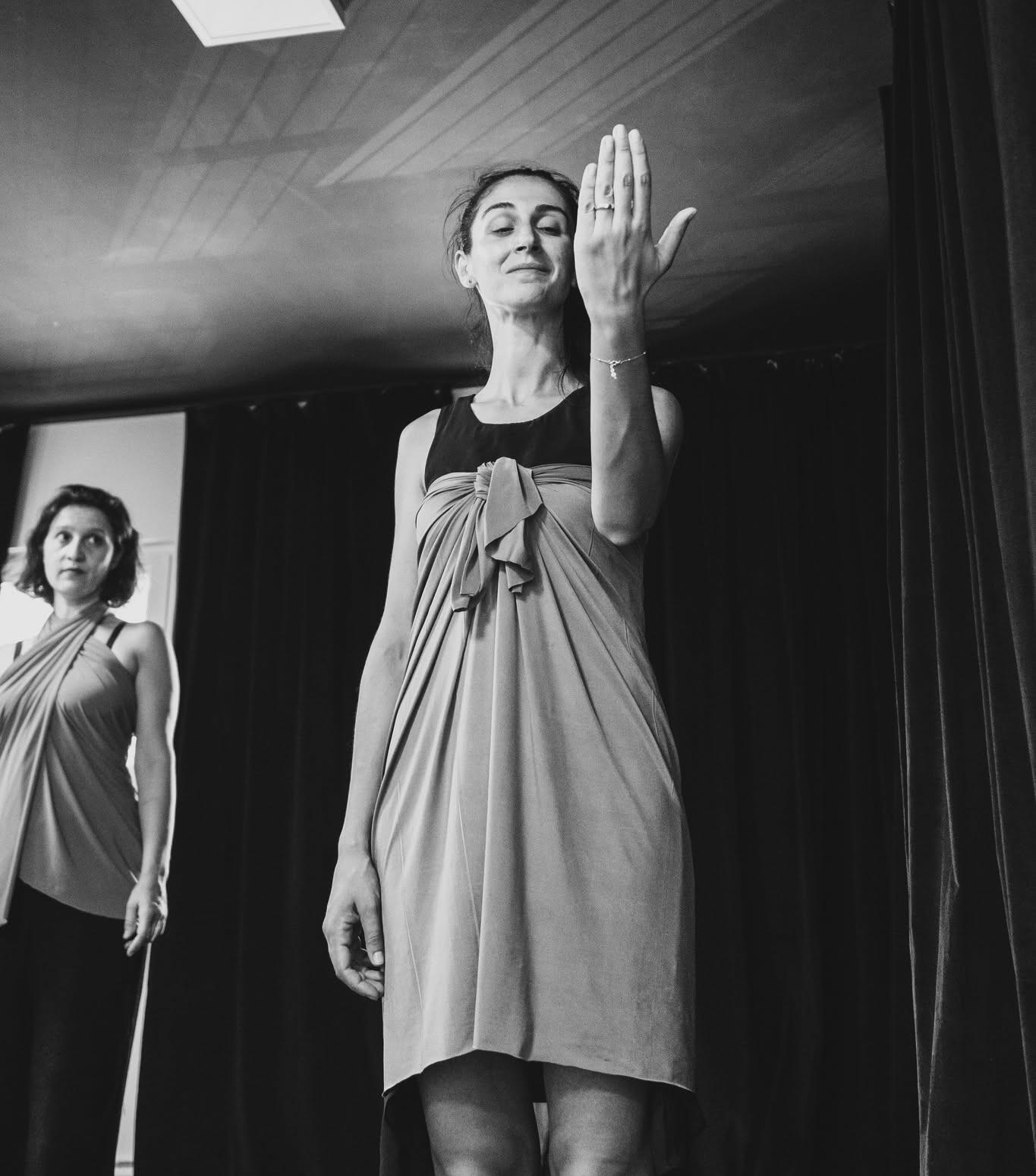
teatru de umbre
Lumea De Sub Valuri
Un spectacol vizual și sonor care invită copiii într-o călătorie poetică pe fundul oceanului, printre creaturi marine fantastice și peisaje luminoase ce prind viață în întuneric.
„Lumea de Sub Valuri” este o poveste fără cuvinte, spusă prin umbre, mișcare și muzică acvatică. Fiecare scenă aduce în fața copiilor o atmosferă de vis, cu animale marine curioase, prietenii neașteptate și transformări jucăușe.
Conceput special pentru copiii mici, spectacolul stimulează imaginația, liniștea interioară și capacitatea de atenție, fără a-i speria sau agita. Lumina, sunetul și ritmul sunt gândite cu blândețe și sensibilitate, pentru a crea o experiență sigură, magică și memorabilă.Durata: aprox. 30 minute
Vârstă recomandată: 3–6 ani
Gen: non-verbal, senzorial, vizual-poetic
teatru de umbre
Muppet și Marioneta
Spectacol interactiv de teatru cu păpuși, umbre și personaje fantastice.
Un spectacol plin de umor, culoare și imaginație, în care două personaje opuse – Muppet, curios și impulsiv, și Marioneta, atentă și serioasă – ajung într-o lume a viselor unde totul este posibil.
Povestea lor vorbește despre prietenie, diferențe și acceptare, iar drumul inițiatic pe care îl parcurg este presărat cu spiriduși, pitici și ființe magice. Împreună, salvează o lume pe cale să se destrame și descoperă că adevărata magie stă în fapte, ajutor și deschidere către celălalt.
Spectacolul combină teatrul de umbre, păpuși și prezența actorilor într-o experiență vizuală și emoțională completă, care aduce împreună râsul, aventura și profunzimea.
Durata: 45 minute
Vârstă recomandată: 4–9 ani
Gen: interactiv, cu păpuși, umor, teatru vizual
teatru de umbre
Primăvara începe atunci când inimile ascultă
Finalul iernii pare întotdeauna cel mai lung atunci când așteptăm cu nerăbdare primii muguri, cântecele păsărilor și razele calde ale soarelui care să ne mângâie pielea.Dar ce se întâmplă atunci când ne oprim și ascultăm? Când ascultăm natura și ne ascultăm unii pe alții?O protagonistă curajoasă pornește într-o călătorie fascinantă în căutarea primăverii – nu doar a celei care înverzește pământul, ci și a celei care înflorește în interiorul nostru. Prin dans, muzică, poezie și prietenie, frigul începe să se risipească, pământul se trezește la viață, iar primele semne ale primăverii își fac apariția.Însoțit de acordurile calde ale sitarului și de imagini vii, colorate și pline de mișcare, spectacolul creează o experiență senzorială care invită publicul la liniște, contemplare și bucurie. O călătorie delicată despre speranță, conexiune și puterea de a redescoperi frumusețea lumii atunci când alegem să fim cu adevărat prezenți.
Durata: 40 minute
Vârstă recomandată: 2-5 ani
Gen: non-verbal, senzorial, vizual-poetic


© TeatruDansTerapie. All rights reserved.
Terapia prin Dans și Mișcare
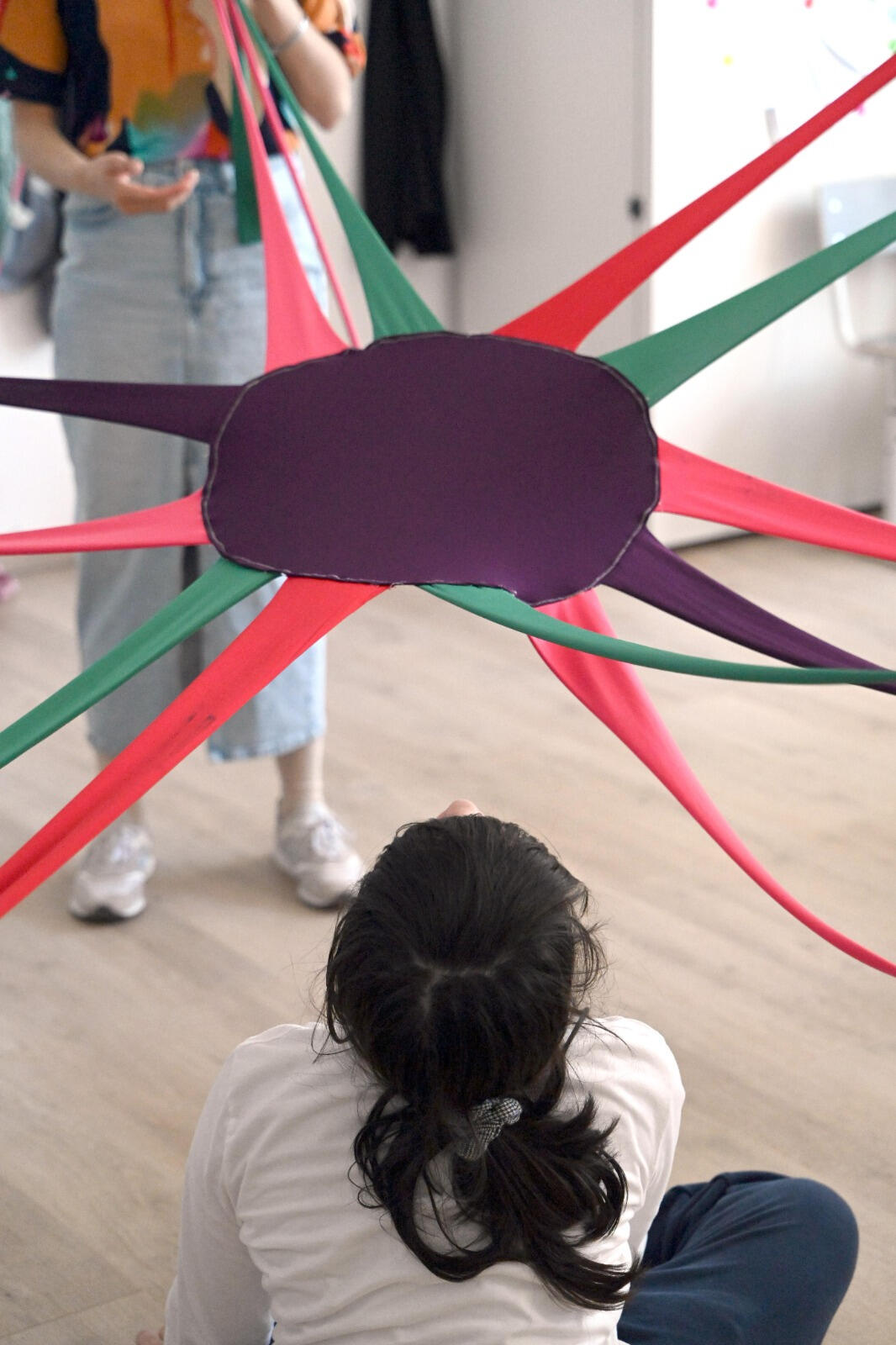
Mișcare conștientă pentru conectare și transformare.
Explorări ghidate prin dans, joc, tactilitate și prezență, pentru adulți și copii neurodivergenți.
© TeatruDansTerapie. All rights reserved.
Terapia prin Dans și Mișcare
Cum funcționează Terapia prin Dans și Mișcare?
🔸Terapia prin Dans și Mișcare (DMT) este o formă de terapie expresivă care valorizează corpul ca principal instrument de comunicare și transformare. Prin mișcare (ritm sau improvizație) respirație și prezență, DMT susține exprimarea emoțiilor, dezvoltarea conștientizării corporale și consolidarea resurselor personale.
🔸În cazul persoanelor neurodivergente (copii sau adulți), terapia prin mișcare oferă o cale accesibilă de explorare și reglare emoțională, în afara constrângerilor limbajului verbal. Sesiunile sunt adaptate în funcție de ritmul, sensibilitățile și interesele fiecăruia. Prin tehnici precum oglindirea, jocul, contactul ghidat sau dansul improvizat, DMT poate susține conectarea, autoreglarea, comunicarea nonverbală și exprimarea sinelui autentic într-un spațiu sigur, unde diferențele sunt recunoscute și celebrate.🔸DMT poate sprijini:
1. Orientarea spațială – dezvoltarea conștientizării corpului în spațiu și a relației cu direcțiile, distanțele și limitele.
2. Expresia corporală – încurajarea exprimării spontane prin mișcare, gest și postură.
3. Limbajul nonverbal – susținerea comunicării prin contact vizual si fizic, mimică, gesturi și ritm corporal.
4. Dezvoltarea senzorio-motorie – stimularea coordonării, echilibrului, integrării senzoriale și explorării mișcării.
5. Dezvoltarea emoțională – facilitarea exprimării și recunoașterii emoțiilor prin joc și mișcare.
6. Dezvoltarea relațională – construirea conectării și reciprocității prin interacțiune corporală și joc relațional.
7. Autoreglarea prin corp și mișcare – dezvoltarea capacității de liniștire, organizare și reglare emoțională prin experiențe corporale și ritmice.
8. Propriocepția – dezvoltarea percepției poziției și mișcării corpului prin experiențe de presiune, greutate și coordonare.
9. Interocepția – susținerea conștientizării senzațiilor interne ale corpului, precum respirația, tensiunea, relaxarea sau nivelul de energie.
10. Integrarea senzorială – facilitarea procesării și organizării informațiilor senzoriale prin experiențe corporale, ritmice și multisenzoriale.
Experiență aplicată
Am facilitat sesiuni de terapie prin dans și mișcare de grup în cadre multiple și diverse.
Fiecare context m-a învățat să ascult nu doar cu urechile, ci și cu corpul, și să creez spații în care mișcarea devine o formă de dialog, sprijin și apartenență.Lucrez cu instrumente specifice terapiei prin dans și mișcare, precum:
🔸 Laban Movement Analysis (LMA) – pentru înțelegerea calităților mișcării și a expresiei personale
🔸Sistemul Kestenberg – pentru observarea tiparelor de tensiune și eliberare în dezvoltare
🔸Pattern-uri de mișcare dezvoltate (BrainDance, Bartenieff) – utile în special pentru copii și persoane neurodivergente, în susținerea organizării neuromotorii și emoționale
🔸Body Mind CenteringCâteva dintre proiectele culturale în care am adus dans-terapia sunt:
🔸 InterConnectArt (2025) – dans terapie pentru copii cu diabet, desfășurate în școli publice
🔸 Corp, Minte și Intimitate în Relații (2024) – ateliere pentru adolescenți din învățământul de masă
🔸 Valențele curative și performative ale atingerii (2024) – lucrul cu adulți neurodivergenți și cu nevoi speciale, în parteneriat cu DGASPC
🔸 Cu ochii minții (2024) – sesiuni adresate persoanelor nevăzătoare (copii, tineri și adulți), alături de însoțitorii lor
🔸 Explorări artistice în educația modernă (2024) – intervenții expresive în licee, pentru adolescenți din Timișoara
🔸 Speechless (2023) – intervenții artistice nonverbale pentru copii cu CES din Timișoara și Lugoj


© TeatruDansTerapie. All rights reserved.
Servicii DMT
Sesiuni individuale
Folosesc tehnici somatice, mișcare conștientă, atingere terapeutică, contact blând și resurse creative pentru a susține procese de integrare, descărcare emoțională, conectare și creștere personală.Aceste sesiuni sunt recomandate pentru copii, adolescenți sau adulți, neurotipici sau neurodivergenți, care:
🔸se confruntă cu stres, anxietate, hiperactivitate sau blocaje emoționale
🔸au dificultăți de exprimare verbală sau de relaționare
🔸doresc să-și exploreze lumea interioară prin corp și mișcare
🔸caută un tip de terapie blândă, bazată pe empatie, relație și prezență
Sesiuni de grup
Mișcare împreună pentru conectare, sprijin și expresie.
Prin dans ghidat, jocuri somatice, lucrul cu obiecte și momente de reflecție, participanții explorează emoții, resurse, limite personale, empatie și apartenență. Grupul devine oglindă, sprijin și sursă de inspirație.
Pot fi organizate grupuri pentru:
🔸copii (cu sau fără cerințe educaționale speciale-CES)
🔸adolescenți
🔸adulți în procese de dezvoltare personală sau profesioniști în domenii expresive, educaționale sau terapeutice
© TeatruDansTerapie. All rights reserved.
Cercetare
Lucrările explorează dimensiunea transformativă a expresiei corporale și teatrale în contexte educaționale și terapeutice. Dincolo de teorie, fiecare cercetare este ancorată într-un cadru practic: proiecte desfășurate în școli și terapie individuală în cabinet. Scopul este de a aduce vizibilitate unor metode inovatoare și de a contribui la construirea unui limbaj comun între educație, artă și sănătate mintală.
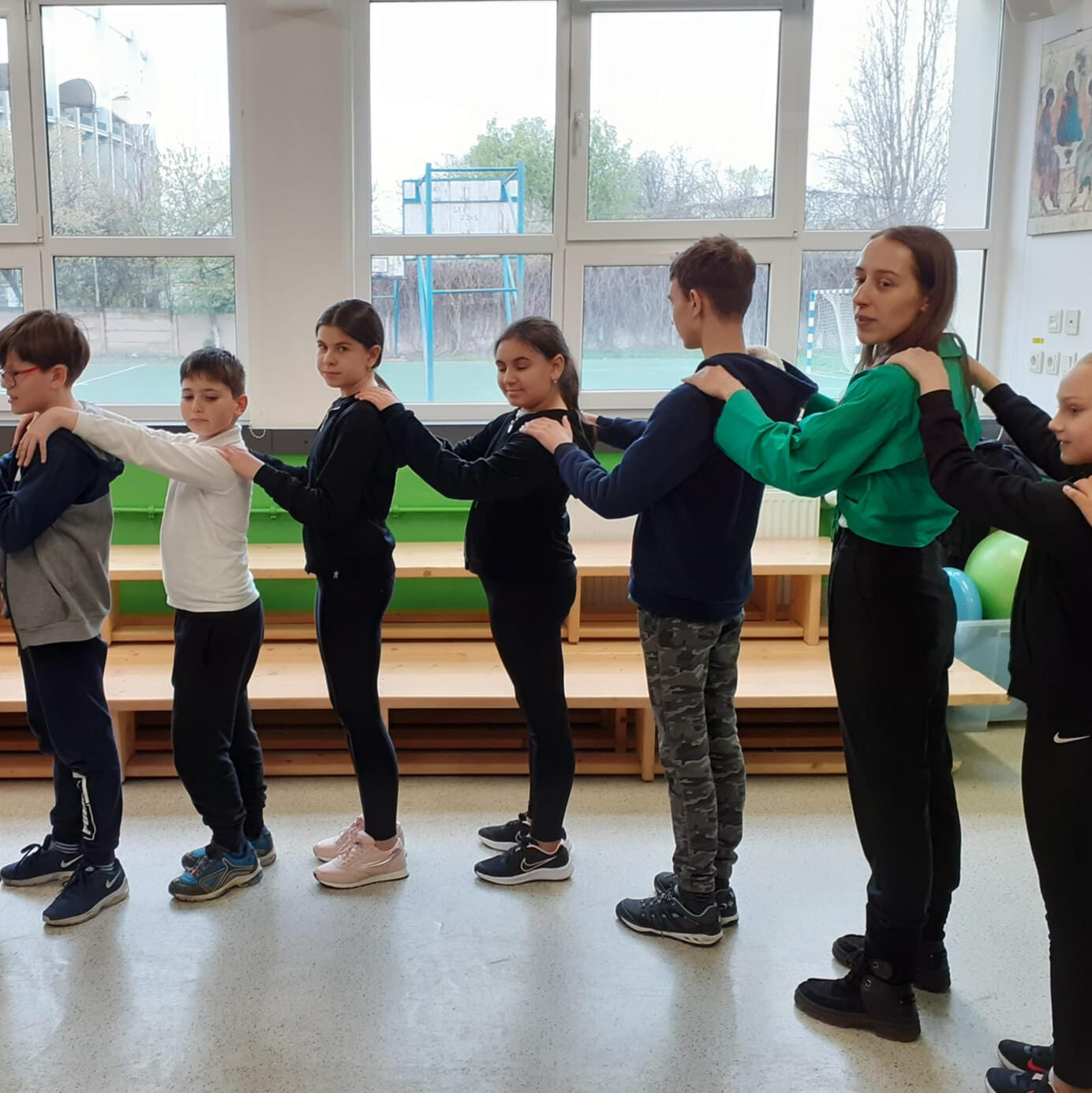
Rolul tehnicilor Teatrului Forum în sprijinirea incluziunii copiilor cu TSA în școala de masă
Autor: Ana Dumitrașcu
Studiul urmărește nevoia multidimensională pentru incluziunea copiilor cu Tulburări de Spectru Autist (TSA) în școala de masă, prin prezumția că acest demers poate fi realizat prin creșterea coeziunii grupului din care face parte. Am dezvoltat un program de intervenție cuprinzător, format dintr-un spectacol de Teatru Forum și patru ateliere expresiv-creative, utilizând tehnici bazate pe metodologiile Pedagogiei și Teatrului Oprimaților. Prin intermediul spectacolului am urmărit accesibilizarea informației legată de persoanele autiste și împuternicirea elevilor, pentru a se implica activ în justiție socială. Atelierele au oferit participanților oportunitatea de autocunoaștere și descoperire a noi modele de comunicare și relaționare, potrivite persoanelor autiste și diversității. Am colectat și analizat date empirice calitative și cantitative, care raportează potențialul acestor tehnici în scopul normalizării autismului și a incluziunii produse prin dialog, reflectare critică și acțiune. Rezultatele arată schimbări semnificative în creșterea nivelului de incluziune.
Cuvinte cheie: teatru forum; autism; incluziune; coeziunea grupului; împuternicire; diversitate; dialog; excludere; oprimare; educație; program de intervenție
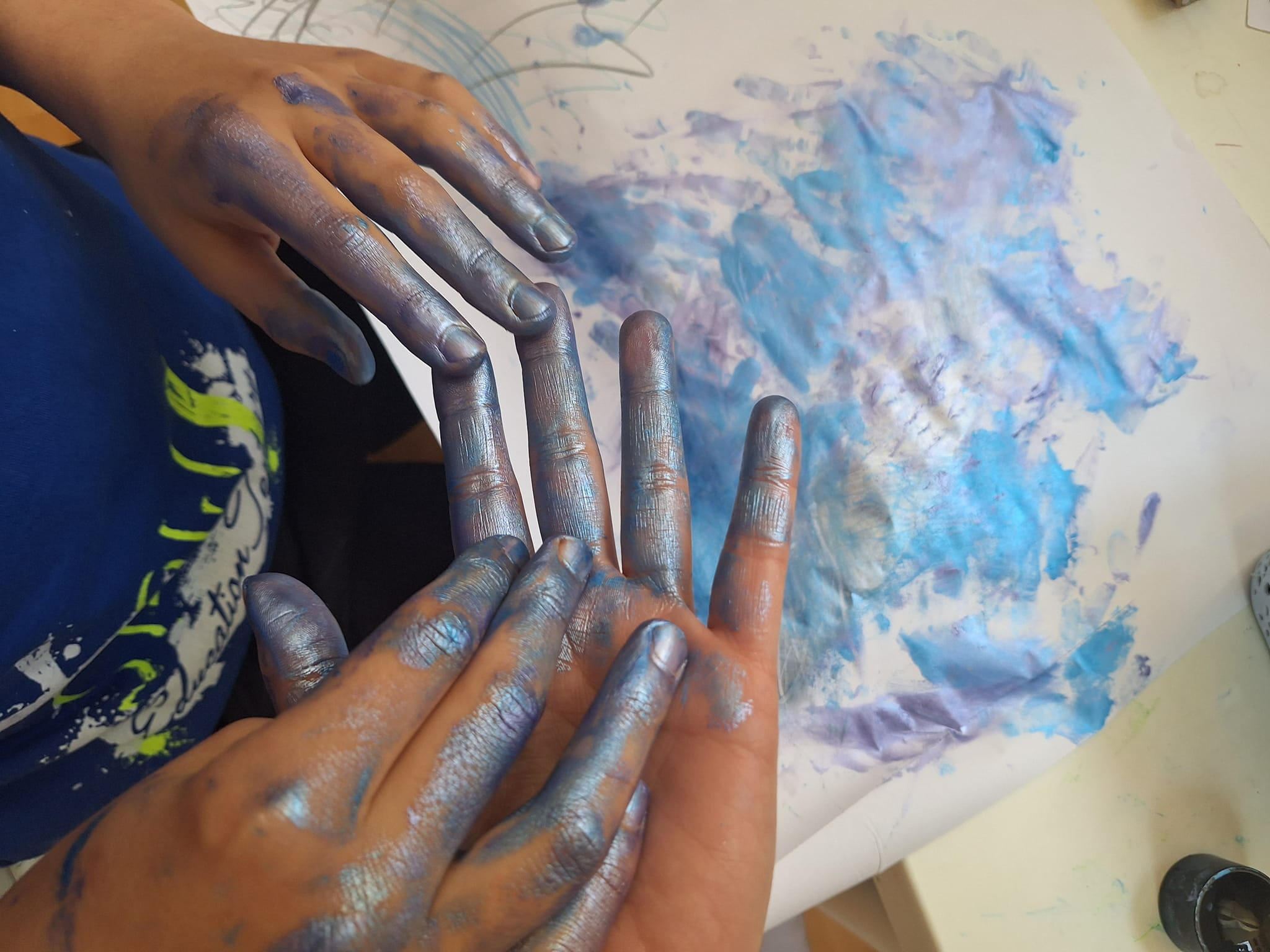
Terapia prin Dans și Mișcare și desenul ca instrumente pentru conștientizarea corporală.
Studiu de caz al unui copil autist nonverbal
autor: ana dumitrașcu
Lucrarea documentează un proces terapeutic de 20 de sesiuni cu un copil autist non-verbal, în care terapia prin dans și mișcare a fost integrată cu desenul pentru a sprijini conștientizarea corporală și autoreglarea emoțională. Tehnici precum oglindirea, armonizarea prin mișcare și sunet, atingerea blândă, contact improvisation și jocul cu obiecte au fost adaptate sensibilității și ritmului copilului. În fiecare sesiune, desenele realizate înainte și după mișcare, pornind de la conturul propriului corp, au servit ca indicator vizual al stării și evoluției sale. Pe măsură ce terapia a avansat, s-au observat îmbunătățiri clare: creșterea contactului vizual, varietate mai mare în exprimarea emoțiilor prin corp și sunet, toleranță sporită la atingere și inițierea interacțiunilor fizice. Coordonarea motorie și atenția asupra sarcinilor s-au îmbunătățit, iar capacitatea de a oglindi mișcări, inclusiv cele fine, a crescut semnificativ. Analiza desenelor a arătat o mai bună percepție a limitelor corporale, integrare emoțională și sensibilitate față de schimbările din mediul copilului. Rezultatele sugerează că desenul, integrat în terapia prin mișcare, poate deveni un instrument valoros de exprimare și evaluare în lucrul cu copii autiști non-verbali. Această abordare multisenzorială favorizează relația terapeutică, exprimarea non-verbală și autoreglarea emoțională.
Cuvinte cheie: terapie prin dans și mișcare, atingere, autism, conștientizare corporală, desen, evaluare


© TeatruDansTerapie. All rights reserved.
Program pentru copii, construit pornind de la cercetările actuale din neuroștiințele dezvoltării, teoria atașamentului și psihologia dezvoltării
Un loc în care copilul nu trebuie să devină altcineva pentru a aparține.
Programul PULS este construit pornind de la ideea că dezvoltarea cognitivă este susținută de experiențe repetate de reglare emoțională, siguranță relațională și explorare activă, în acord cu principiile actuale din neuroștiințele dezvoltării.
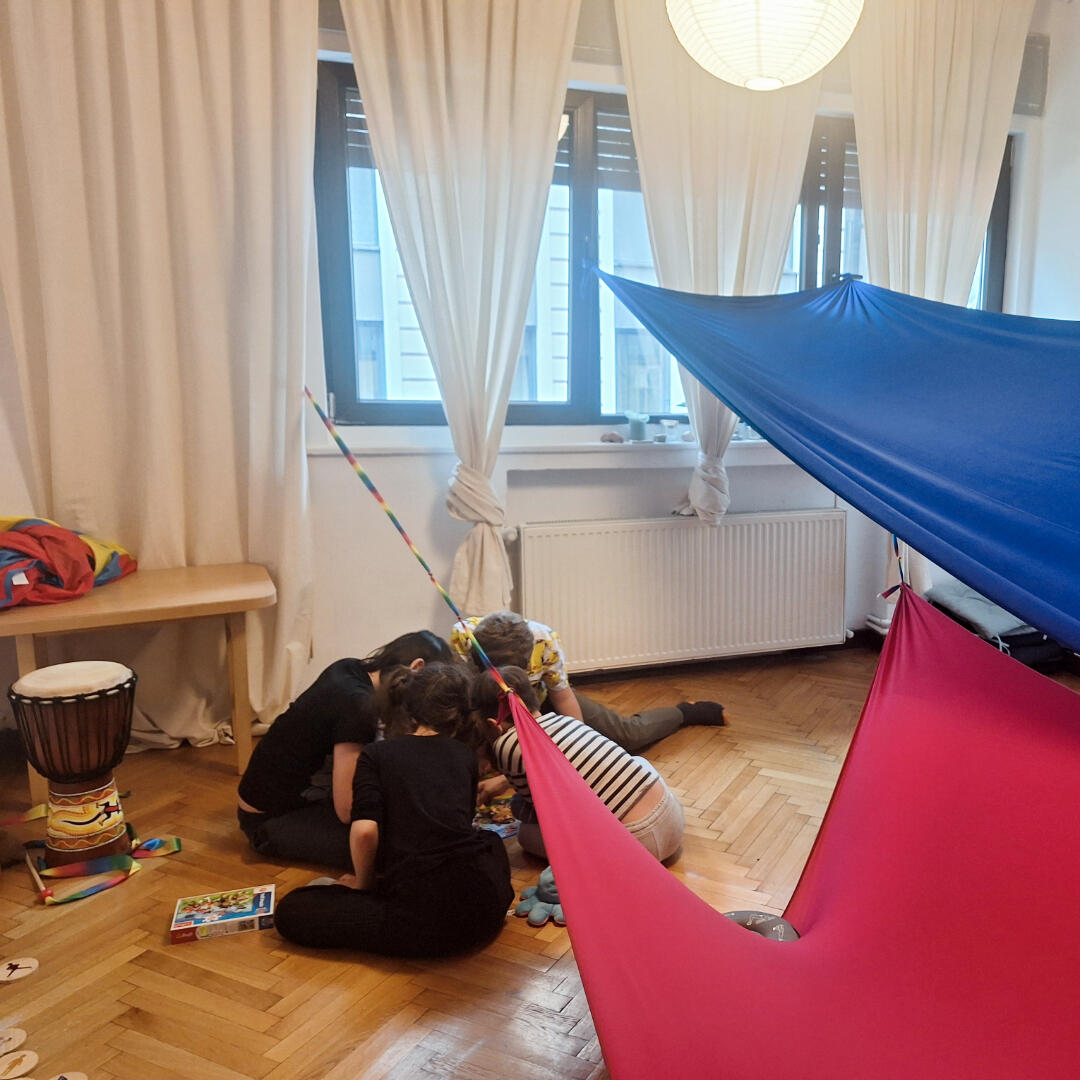
Un loc în care fiecare copil, individual dar mai ales în grup, trece prin procese de explorare continuă, învață despre sine și despre mediu și își dezvoltă resurse care îl ajută să se simtă mai încrezător, mai conectat și mai autonom, prin intermediul jocului și a exprimării creative.Copiii învață
autoreglarea,
învață să fie atenți la ceilalți,
să asculte,
să fie într-o stare de prezență continuă,
să caute liniștea și conexiunea.
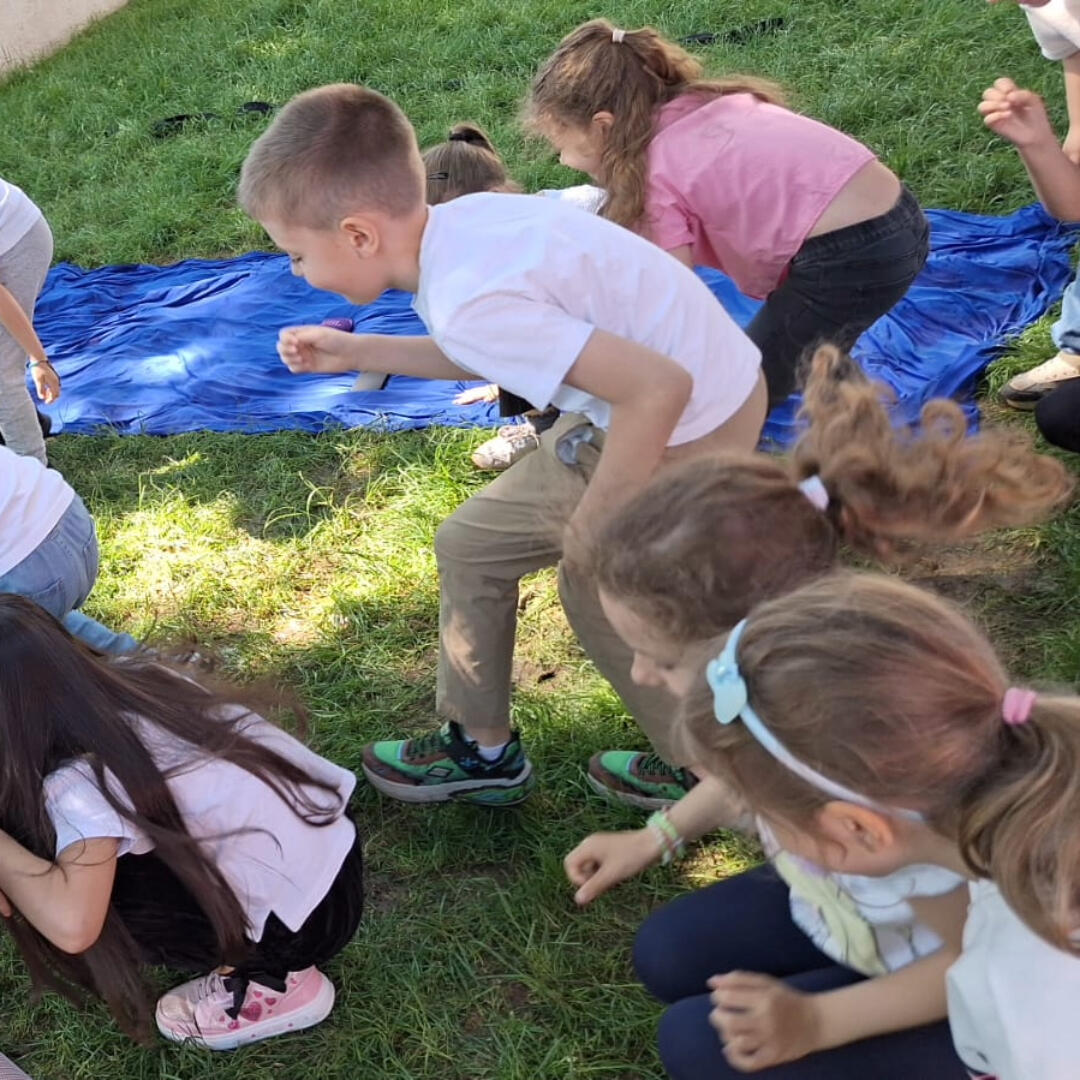
Pentru cine este programul
Programul este incluziv și se adresează copiilor care pot beneficia de un grup restrâns, stabil și bazat pe relație, joc și explorare.
Grupul este format din maximum 6 copii cu vârste între 6 și 9 ani.
Ce este PULS
✔ mișcare și dans
✔ joc liber și joc ghidat
✔ arte plastice
✔ teatru și exprimare creativă
✔ dezvoltare emoțională
✔ autonomie
✔ relații
✔ explorarea naturii
✔ rutină și predictibilitate
✔ experiențe de grup
Ce NU este PULS
X Un loc unde copiii sunt supravegheați până vin părinții.
X Un program centrat pe teme sau performanță școlară.
X Un loc în care se urmărește comparația dintre copii.
X Un loc în care se folosesc recompense și pedepse ca metodă principală de lucru.
Cine coordonează programul?
PULS este un program conceput și coordonat de Ana Dumitrașcu – psihopedagog incluziv, artist teatral și dans-terapeut în formare.Experiența sa unică, de peste 12 ani, îmbină educația, artele expresive și lucrul terapeutic, într-o abordare interdisciplinară orientată către dezvoltarea copilului. A colaborat cu zeci de școli și licee din România, de stat sau private, pe termen lung și scurt, în proiecte educaționale și culturale.
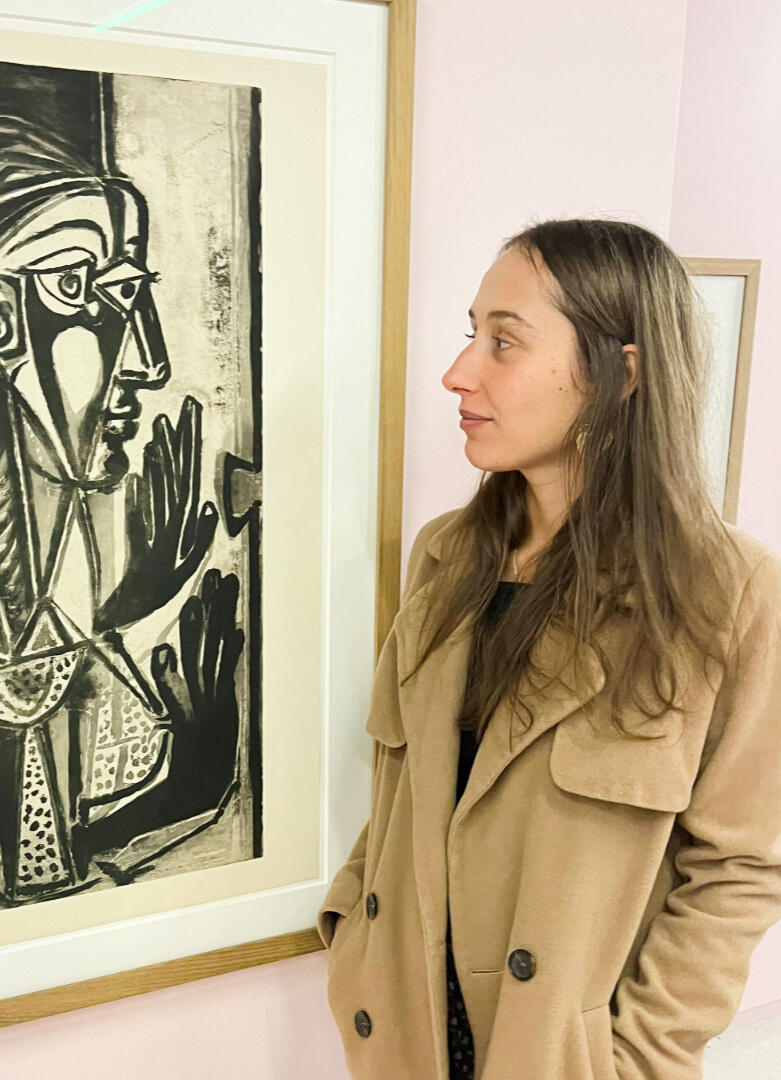
“De-a lungul anilor am întâlnit mulți copii inteligenți, creativi și sensibili care ajunseseră să creadă că nu sunt suficient de buni. Nu pentru că nu puteau învăța, ci pentru că învățaseră să se teamă de greșeală, de comparație sau de respingere.PULS s-a născut din dorința de a crea un loc diferit. Un loc în care copilul nu trebuie să demonstreze că merită să fie ascultat. Un loc în care relația vine înaintea performanței, iar siguranța emoțională devine fundamentul învățării.”
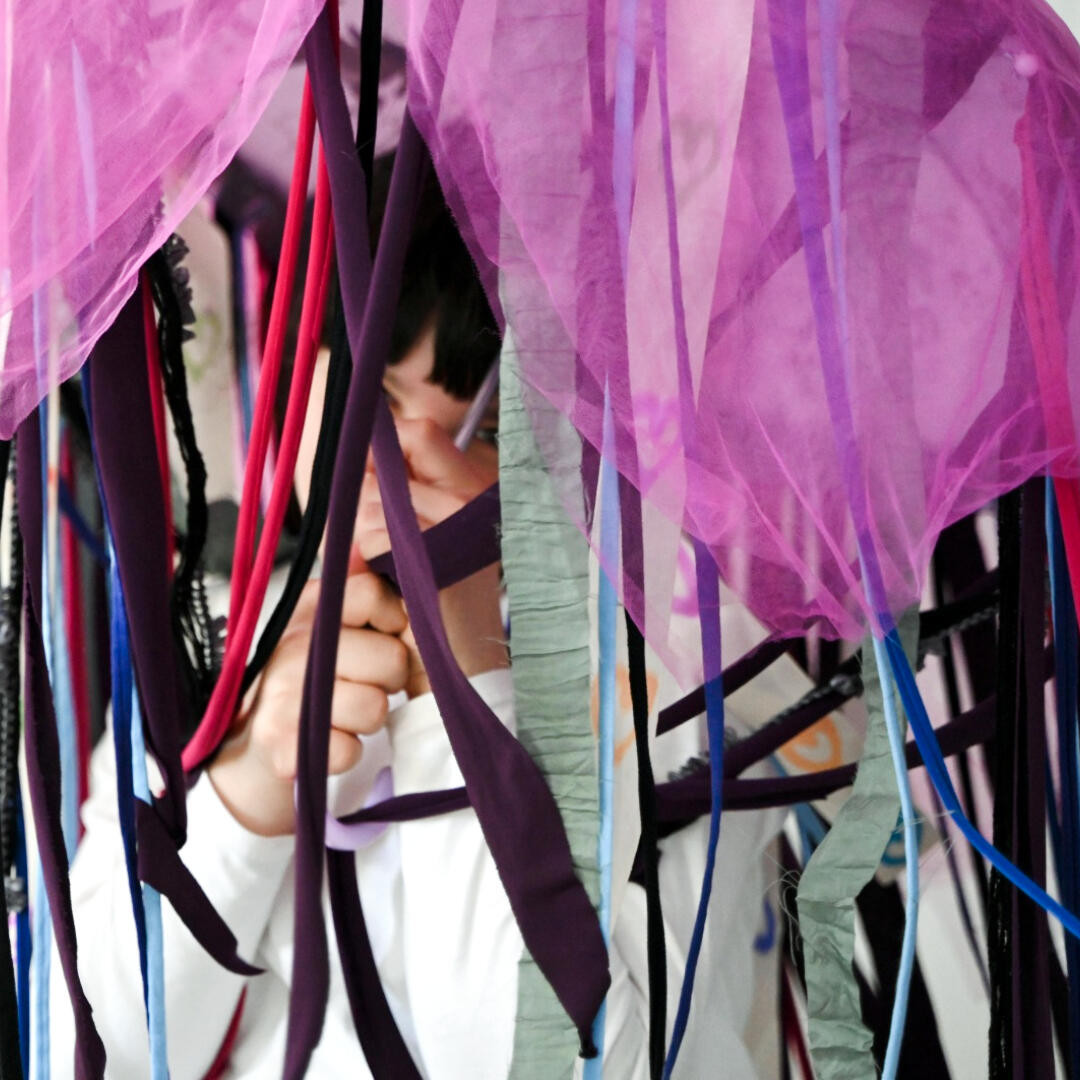
De ce acest program?
Viziunea noastră este că fiecare copil aduce un mod propriu de a vedea lumea, care poate fi descoperit și făcut să strălucească prin intermediul artelor expresive.În cadrul programului copiii cresc împreună, într-un grup restrâns și stabil, unde jocul, mișcarea, arta și natura devin instrumente prin care învață despre ei înșiși și despre lume. Grupul mic asigură dezvoltarea relațiilor profunde și a legăturilor puternice, ca într-o familie, fiecare având rolul și statutul lui.
Copiii au nevoie de un spațiu liniștit, previzibil și bine delimitat, într-un grup mic și stabil, în care să își regleze și înțeleagă emoțiile, să își dezvolte autonomia și creativitatea prin joc, mișcare și relații.Programul PULS se asigură că fiecare copil are suficient spațiu de dezvoltare și că este întotdeauna însoțit în propriul demers.
Rolul nostru nu este să îi schimbăm, ci să îi însoțim.
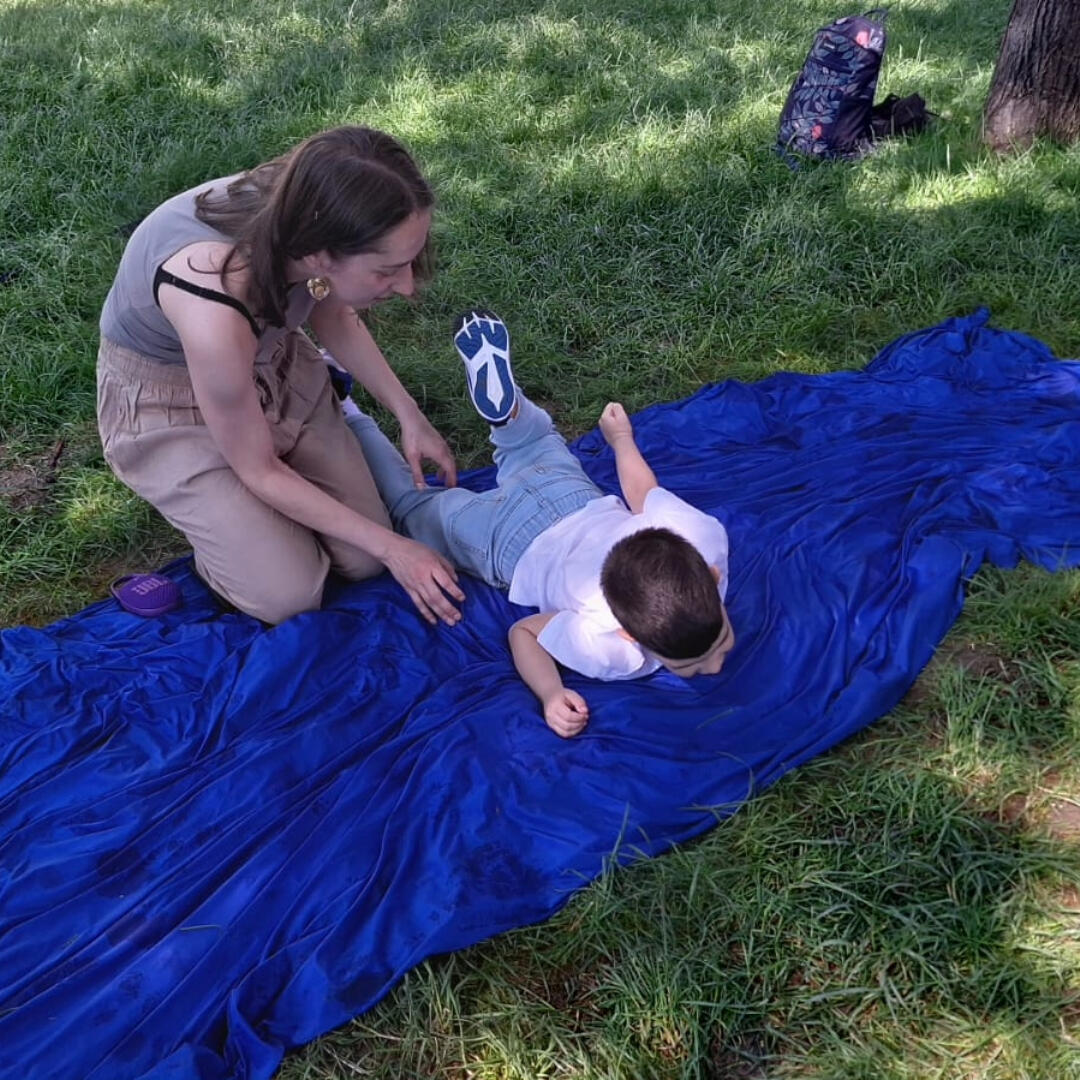
Valorile PULS

Fiecare copil este suficient exact așa cum este
Autonomia se construiește prin experiență
Jocul este modalitatea naturală de învățare
Emoțiile sunt ascultate, nu corectate

Relația este mai importantă decât performanța

Diferențele sunt resurse, nu obstacole

Corpul este primul instrument prin care învățăm

Disciplina se învață prin rutină, repetiție și blândețe
Vrei să ne cunoaștem, pentru a afla dacă programul PULS se potrivește cu nevoile familiei voastre?
Scrie-ne pentru a stabili o întâlnire!
© TeatruDansTerapie. All rights reserved.
METODOLOGIA PULS
MODELUL BRUCE PERRY – ÎNVĂȚARE DE JOS ÎN SUS
Modelul lui Bruce Perry (neuropsihiatru) nu este o „metodă de învățare” în sens clasic, ci un model de neurodezvoltare și învățare secvențială, cunoscut ca „bottom-up learning” (de jos în sus).Ideea centrală: creierul se organizează și învață de la structurile primitive (corp, trunchi cerebral) spre cele complexe (cortex, gândire abstractă).Bruce Perry explică faptul că învățarea reală și schimbarea apar doar atunci când creierul este mai întâi reglat prin corp, apoi susținut în siguranță prin relație, și abia după aceea poate înțelege, gândi și integra informația.
El învață în această ordine:REGULARE (ritm) → RELAȚIE (emoție, atașament) → RAȚIUNE (gândire, limbaj, sens)sau neurobiologic:Trunchi cerebral → Sistem limbic → Cortex
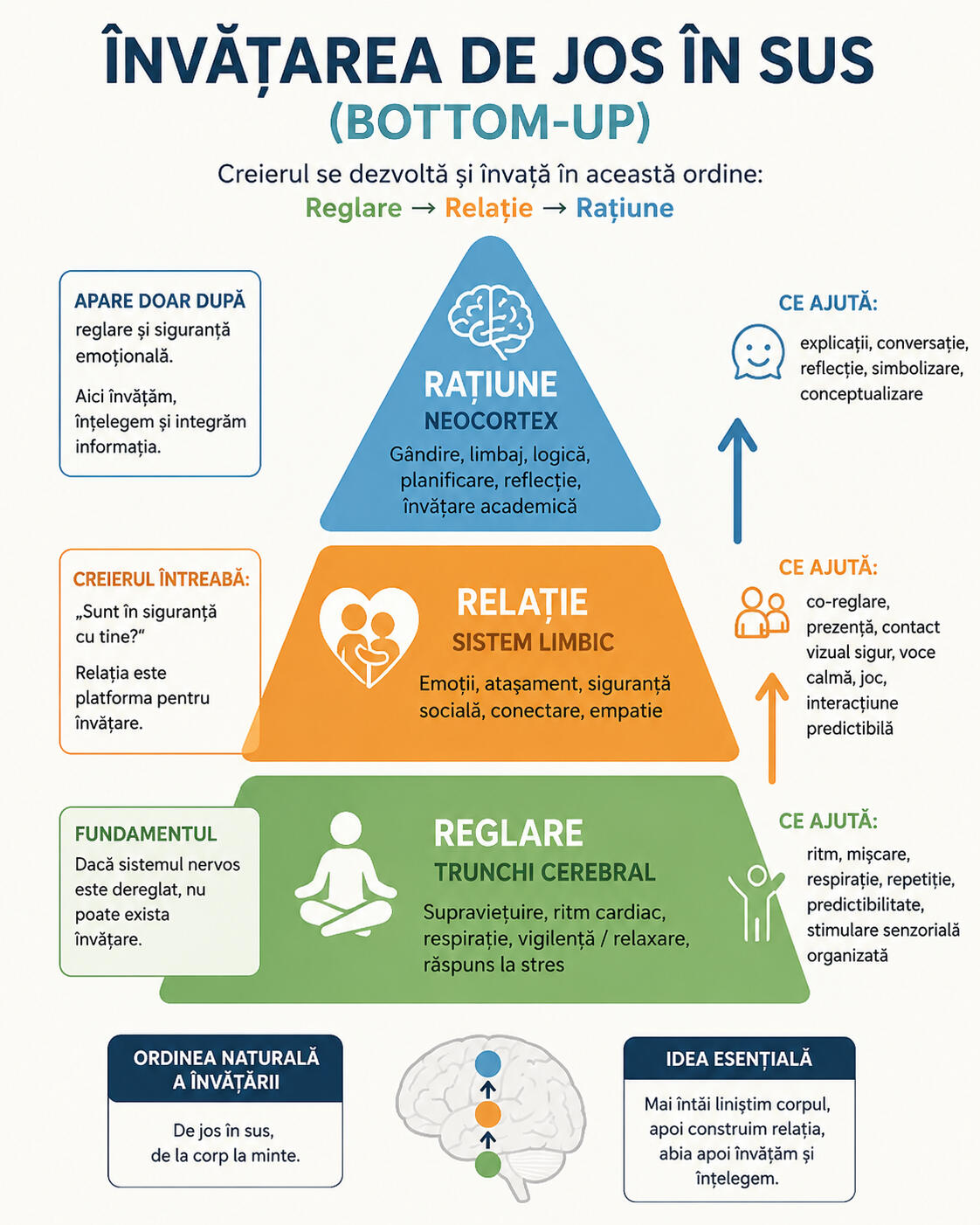
PULS nu își propune să îi învețe pe copii mai multă matematică sau gramatică. Ne concentrăm pe acele procese care stau la baza învățării: atenția, reglarea emoțională, relațiile și capacitatea de explorare.
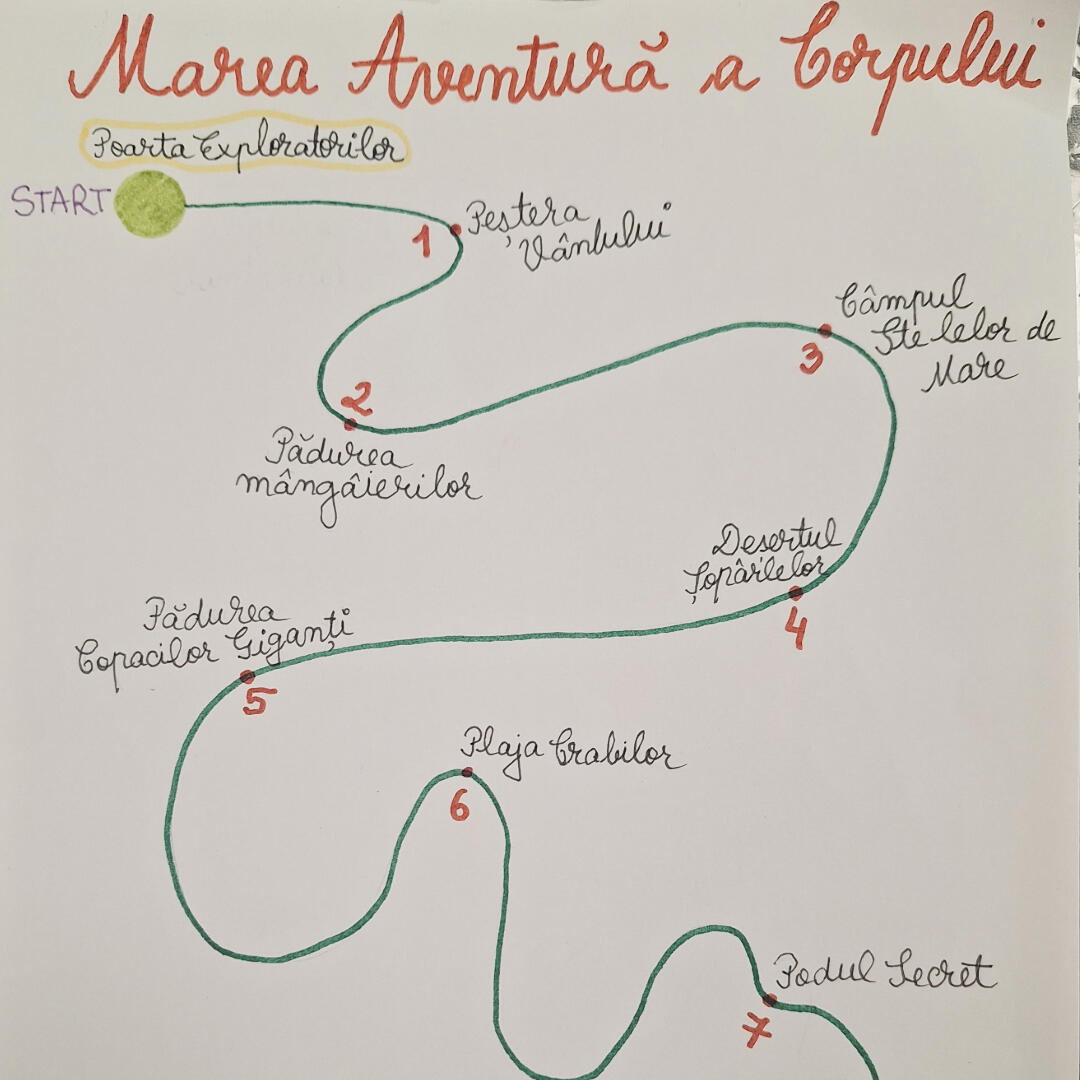
Ce învață copilul PULS?
Prin intermediul jocului, mișcării, expresiei artistice și relațiilor autentice, ne propunem să susținem dezvoltarea armonioasă a fiecărui copil.
Ne dorim ca, pe parcursul programului, copiii să:- își dezvolte capacitatea de autoreglare emoțională și corporală- își exprime liber ideile, emoțiile și nevoile într-un mediu sigur- construiască relații bazate pe respect, cooperare și încredere- își dezvolte autonomia și încrederea în propriile resurse- își cultive creativitatea și curiozitatea prin explorare și joc- învețe să fie prezenți, atenți la sine, la ceilalți și la mediul înconjurător- descopere bucuria apartenenței la un grup stabil și incluziv- dezvolte flexibilitate, inițiativă și capacitatea de a găsi soluții în situații noi- construiască o relație sănătoasă cu natura, materialele și spațiul în care trăiesc
Principii metodologice:Corp înainte de limbaj.
Siguranță înainte de expresie intensă.
Ritmul precede schimbarea.
Nu forțăm contactul, îl construim.
Observația ca instrument de lucru principal.
Reglarea se face prin relație, nu prin control.
Facilitatorul PULS:- observă starea sistemului nervos al grupului
- adaptează intensitatea în timp real
- facilitează co-reglarea
- modelează expresia corporală fără a impune
- menține cadrul sigur și predictibil
- traduce comportamentele în sens somatic (fără patologizare)
Evaluarea este calitativ-somatică și include:
- observație continuă
- jurnalul facilitatorului
- discuții cu familia
- creațiile realizate de copii
- participarea la viața grupului
- harta mișcărilor
Cum arată o săptămână?
| Luni | Miercuri | Vineri |
|---|---|---|
| Conectare prin dans și mișcare. | Jocuri de cooperare și activități de grup. | Natură și explorarea mediului. |
| Activități artistice și creative. | Activități pentru dezvoltare cognitivă. | Proiecte tematice. |
| . | . | Reflecție asupra săptămânii |
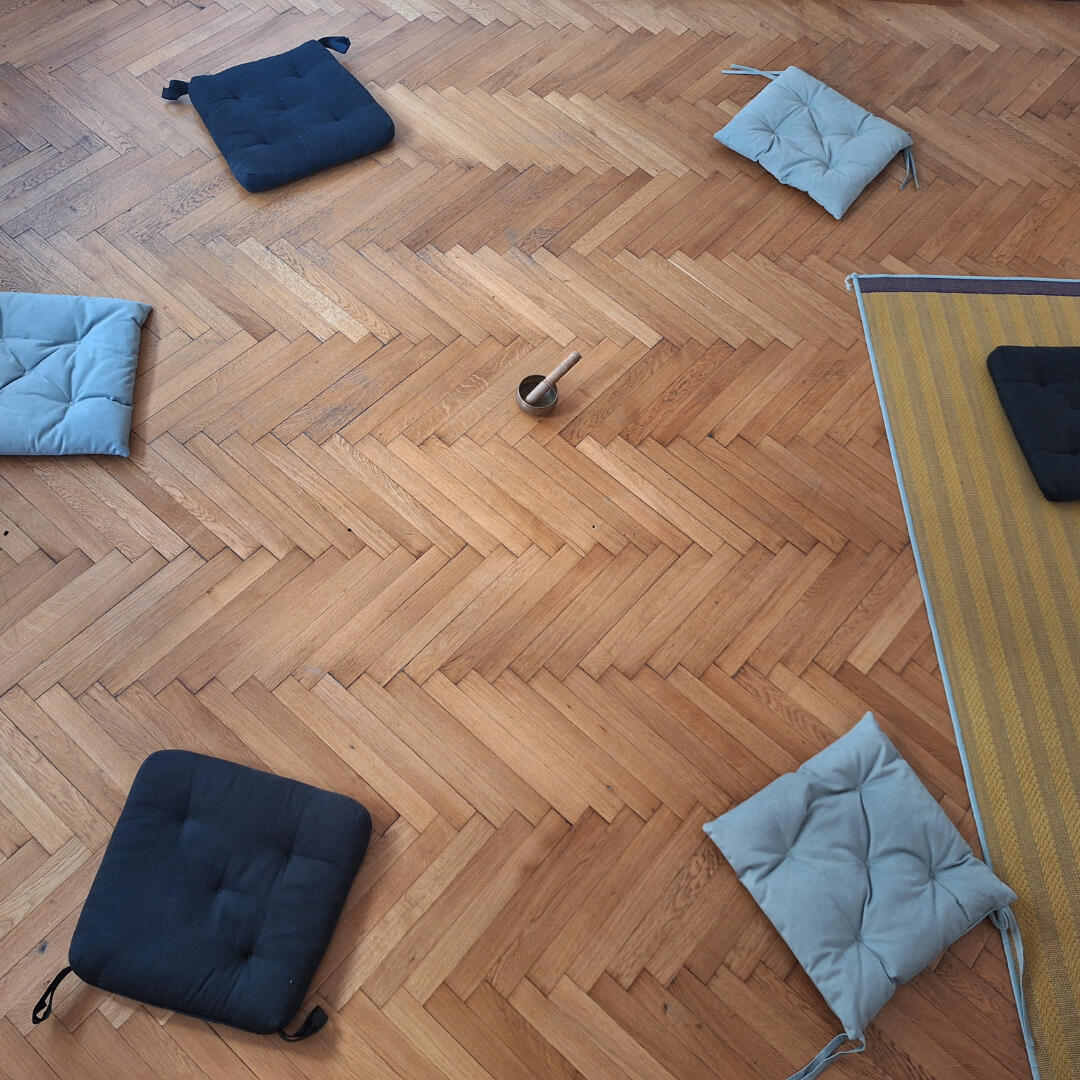
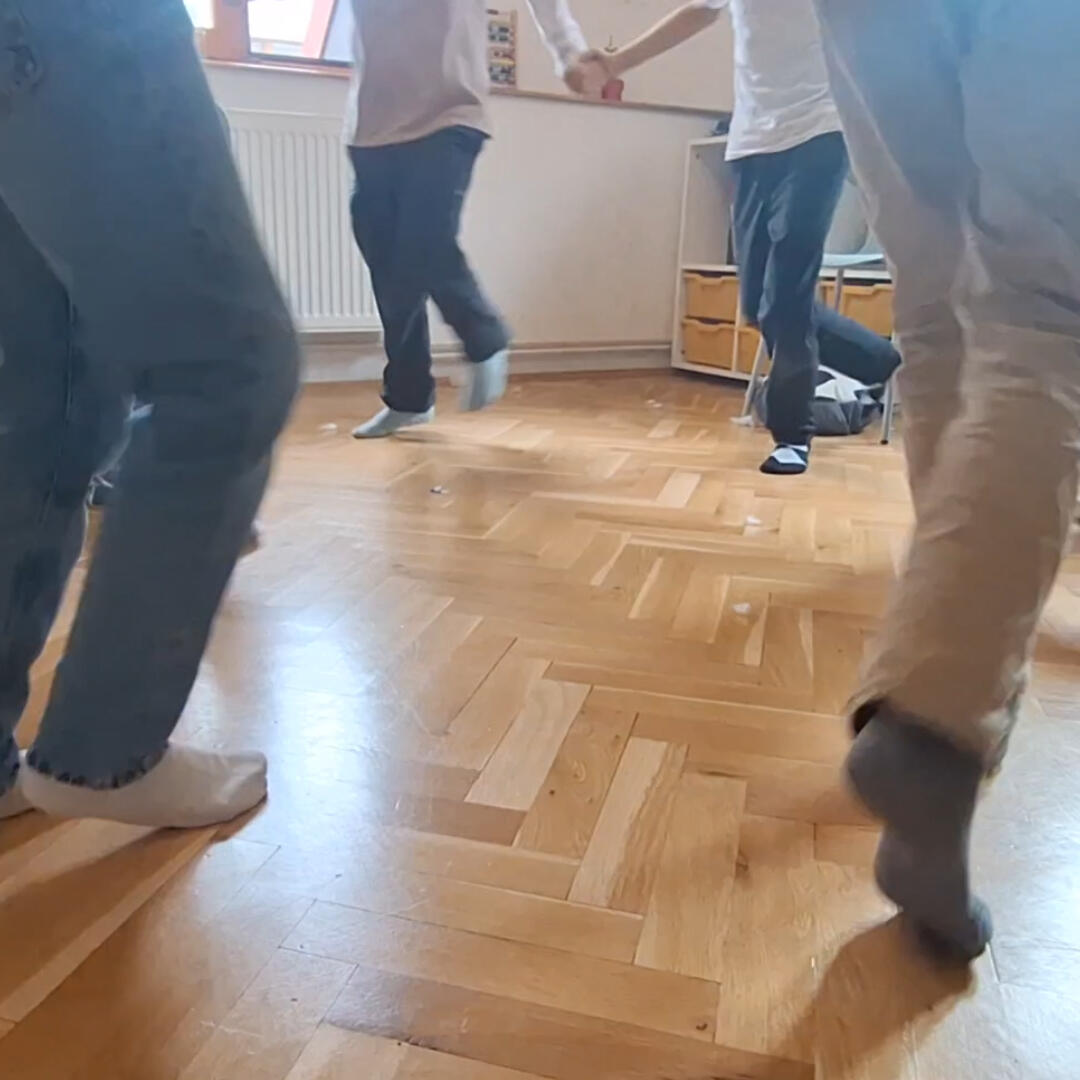
A1. Conectare și dezvoltare prin dans și mișcare
Dansul și mișcarea reprezintă unul dintre principalele limbaje de explorare din cadrul programului PULS.
Prin joc, improvizație, ritm și experiențe corporale, copiii își dezvoltă relația cu propriul corp, cu emoțiile, cu ceilalți și cu spațiul în care se află. Activitățile sunt inspirate din dansul creativ, dans-terapie, jocul relațional și explorarea senzorială, fiind adaptate nivelului de dezvoltare și nevoilor fiecărui copil.
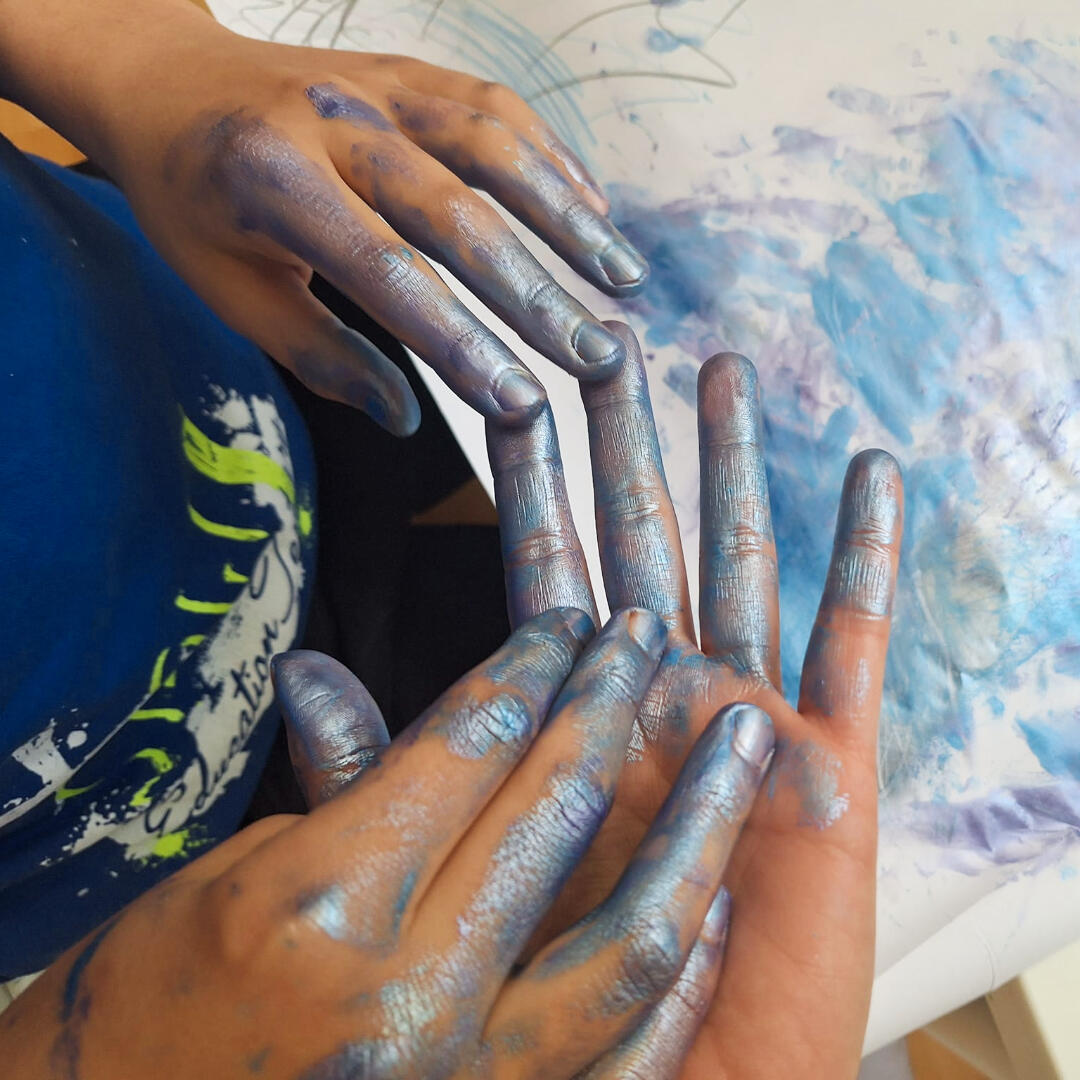
A2. Activități artistice și creative
Activitățile artistice oferă copiilor posibilitatea de a explora, crea și exprima experiențe pe care uneori nu le pot pune în cuvinte. Accentul nu este pus pe produsul final, ci pe procesul de creație, libertatea de exprimare și explorarea materialelor, contribuind la dezvoltarea flexibilității cognitive și a gândirii divergente.
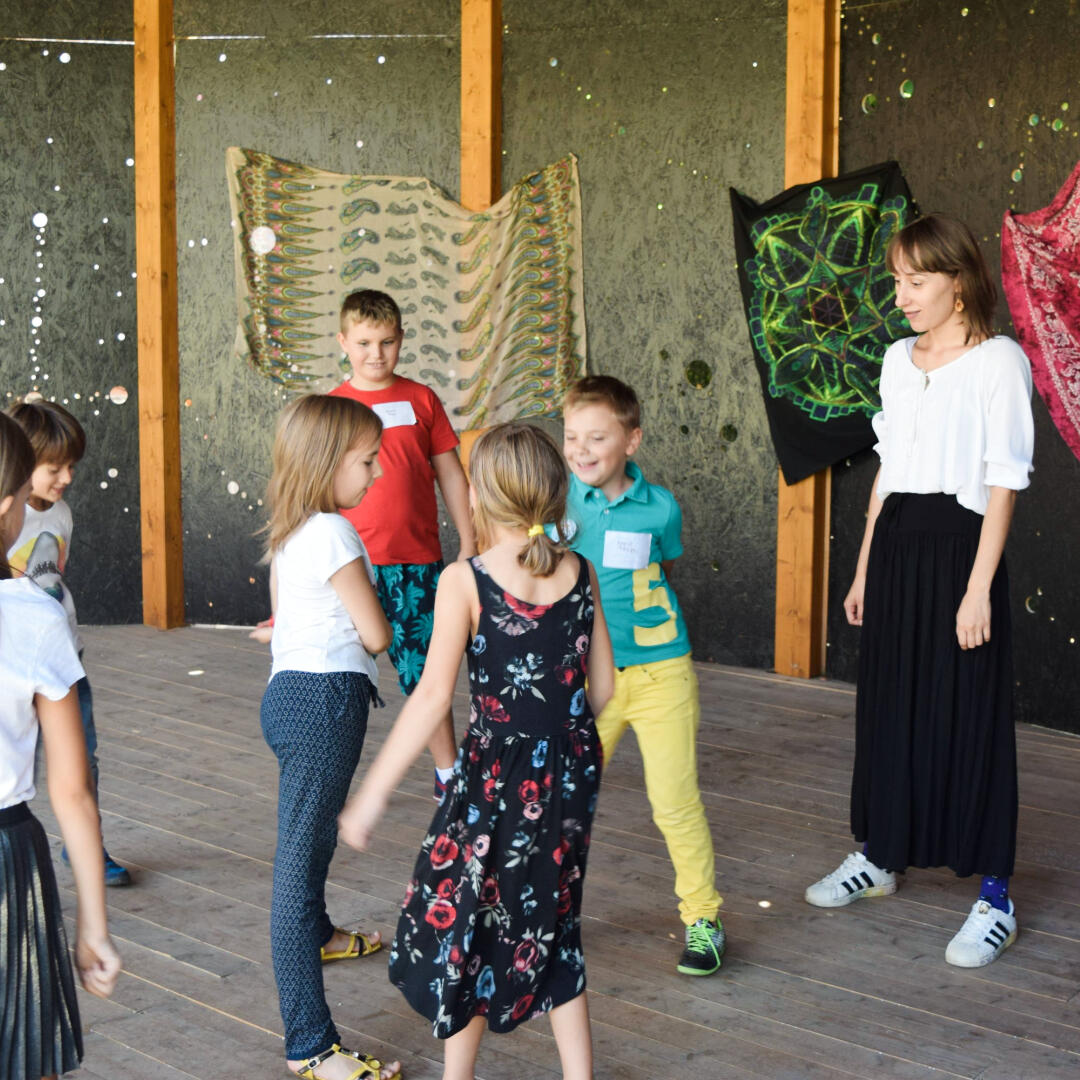
A3. Jocuri de cooperare și activități de grup
Jocul reprezintă principalul context prin care copiii învață să colaboreze, să comunice și să își construiască relații autentice. Activitățile de grup urmăresc dezvoltarea abilităților sociale într-un mod natural și plăcut, prin jocuri teatrale, jocuri de mișcare, jocuri cooperative, board games, provocări și activități în echipă.
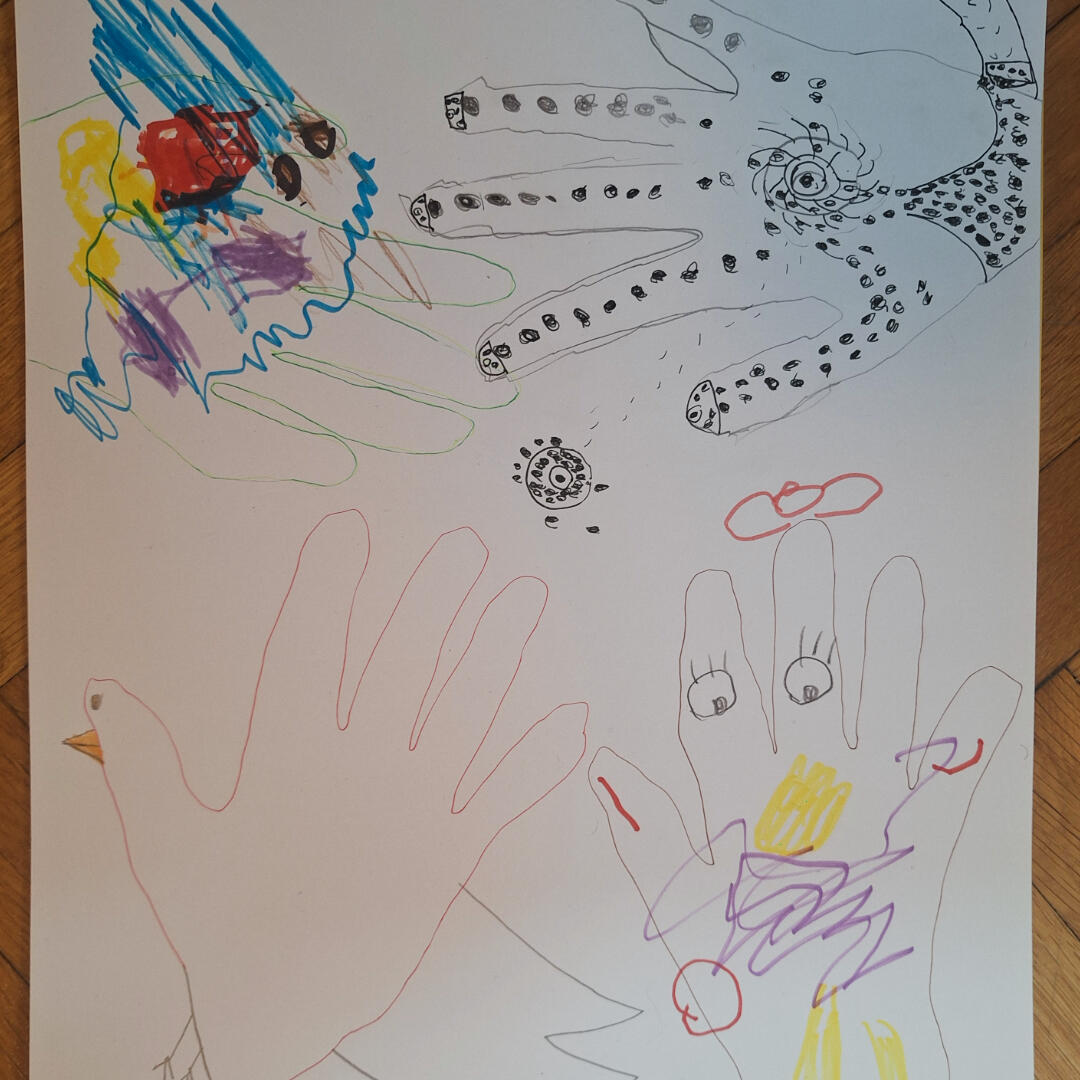
A4. Comunitate, reflecție și apartenență
Un element central al programului îl reprezintă construirea unei comunități în care fiecare copil se simte văzut, ascultat și valorizat. Reflecția și dialogul, prin intermediul jurnalului personal (scris, desen, colaj), cercului de final, discuțiilor tematice, îi ajută pe copii să își înțeleagă experiențele și să contribuie activ la viața grupului, la rezolvarea conflictelor, revizuirea regulilor și exprimarea nevoilor.
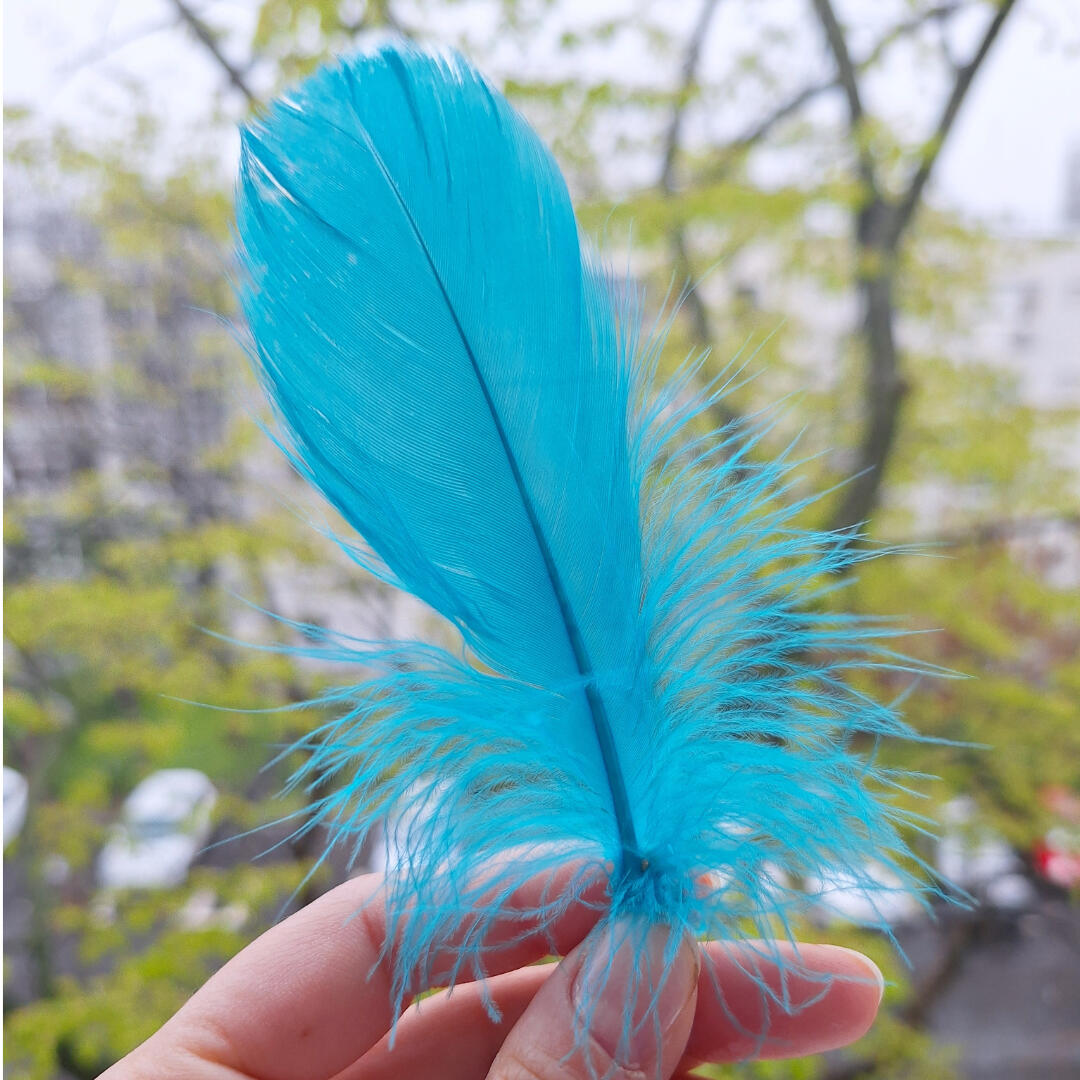
A5. Natură și explorarea mediului
Contactul cu natura reprezintă un context esențial pentru reglarea emoțională, dezvoltarea autonomiei și cultivarea respectului față de mediul înconjurător. Prin explorare senzorială, observație, grădinărit și proiecte ecologice, copii vor dezvolta relația cu natura și mediul.
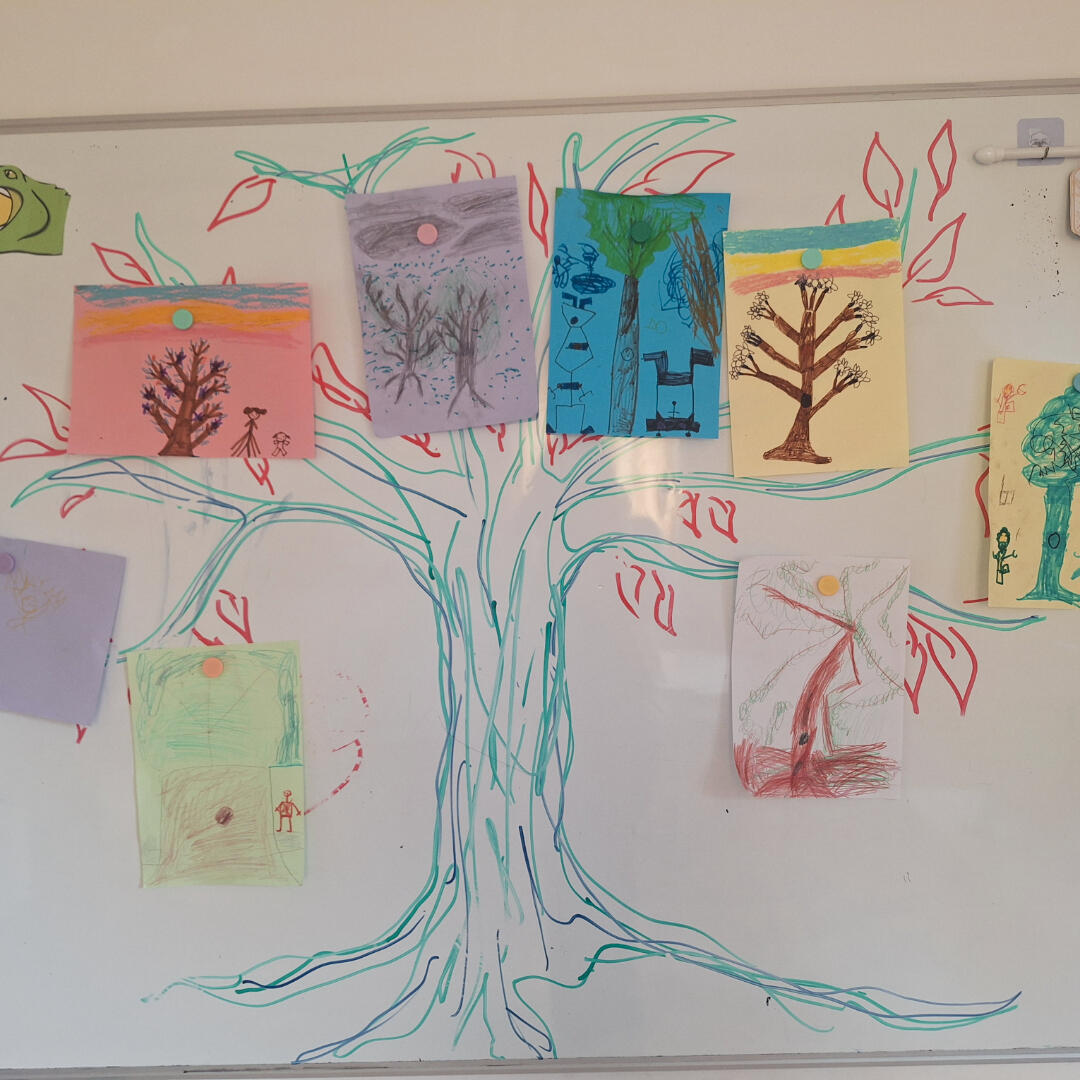
A6. Proiecte tematice
Proiectele tematice integrează toate ariile programului și oferă copiilor oportunitatea de a explora în profunzime teme relevante pentru dezvoltarea lor. Teme precum anotimpurile, emoțiile, corpul uman, comunitatea, natura, povești și mituri, artă și cultură, vor contribui la dezvoltarea gândirii interdisciplinare și exprimarea propriilor idei.
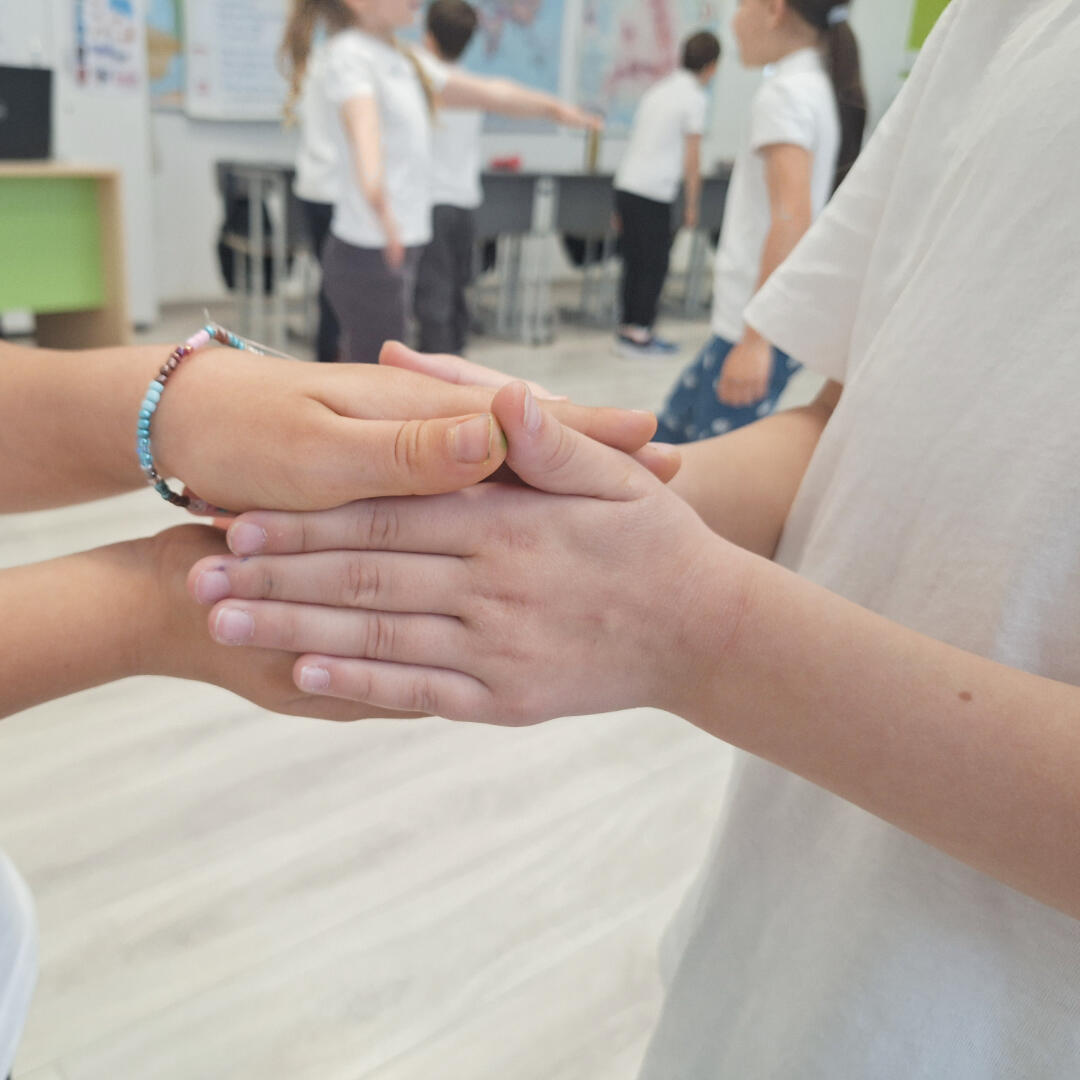
A7. Activități pentru dezvoltare cognitivă
Activitățile cognitive sunt integrate în joc și prin proiecte practice, experimente, provocări cognitive, construcții, activități de planificare și strategie, urmărind dezvoltarea modului de gândire, fără accent pe performanța școlară sau evaluare.
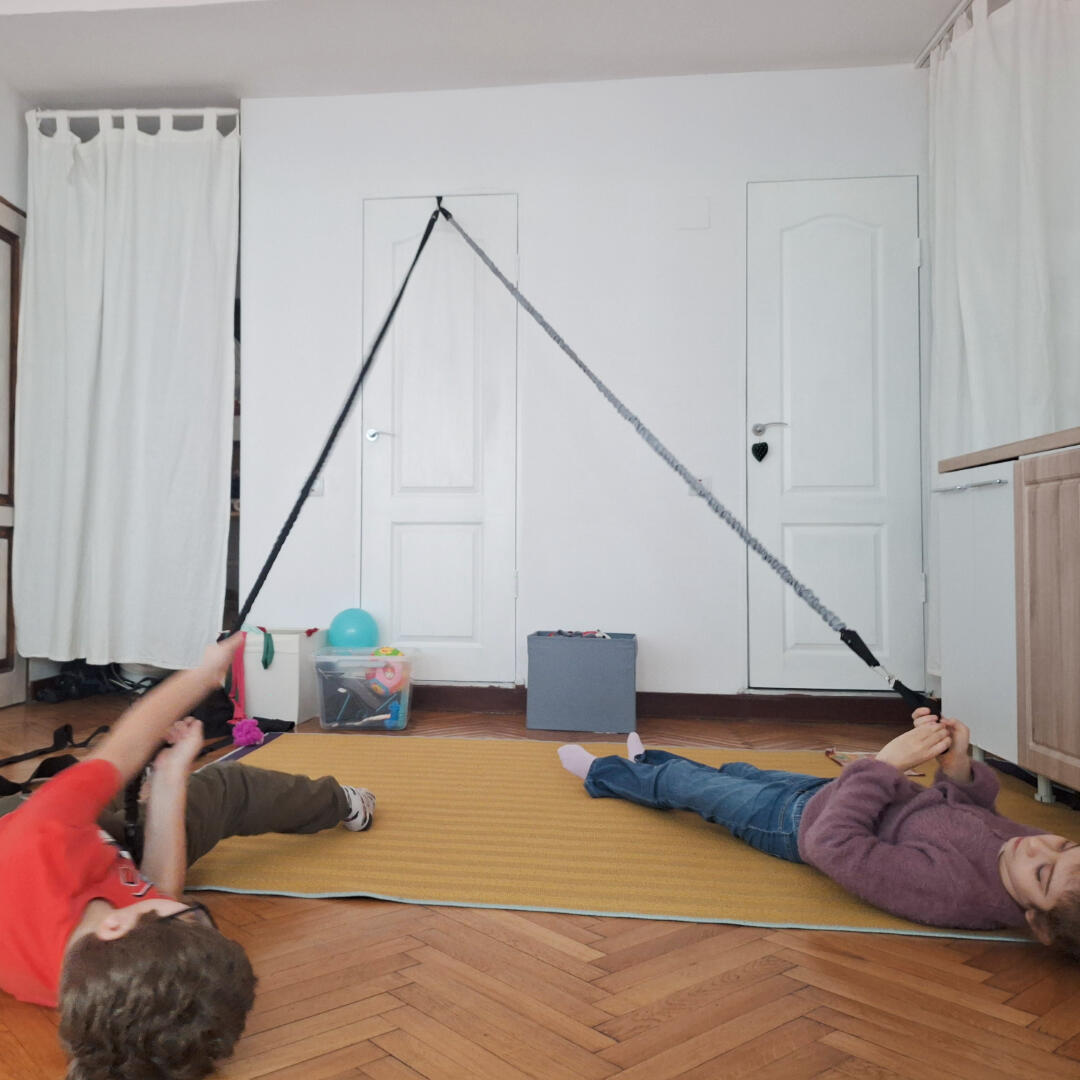
A8. Activități libere și/sau de celebrare
Joaca liberă și momentele de celebrare sunt parte integrantă a dezvoltării copilului. Aceste experiențe oferă spațiu pentru inițiativă, autonomie, relaxare, consolidarea relațiilor și bucuria de a fi împreună.
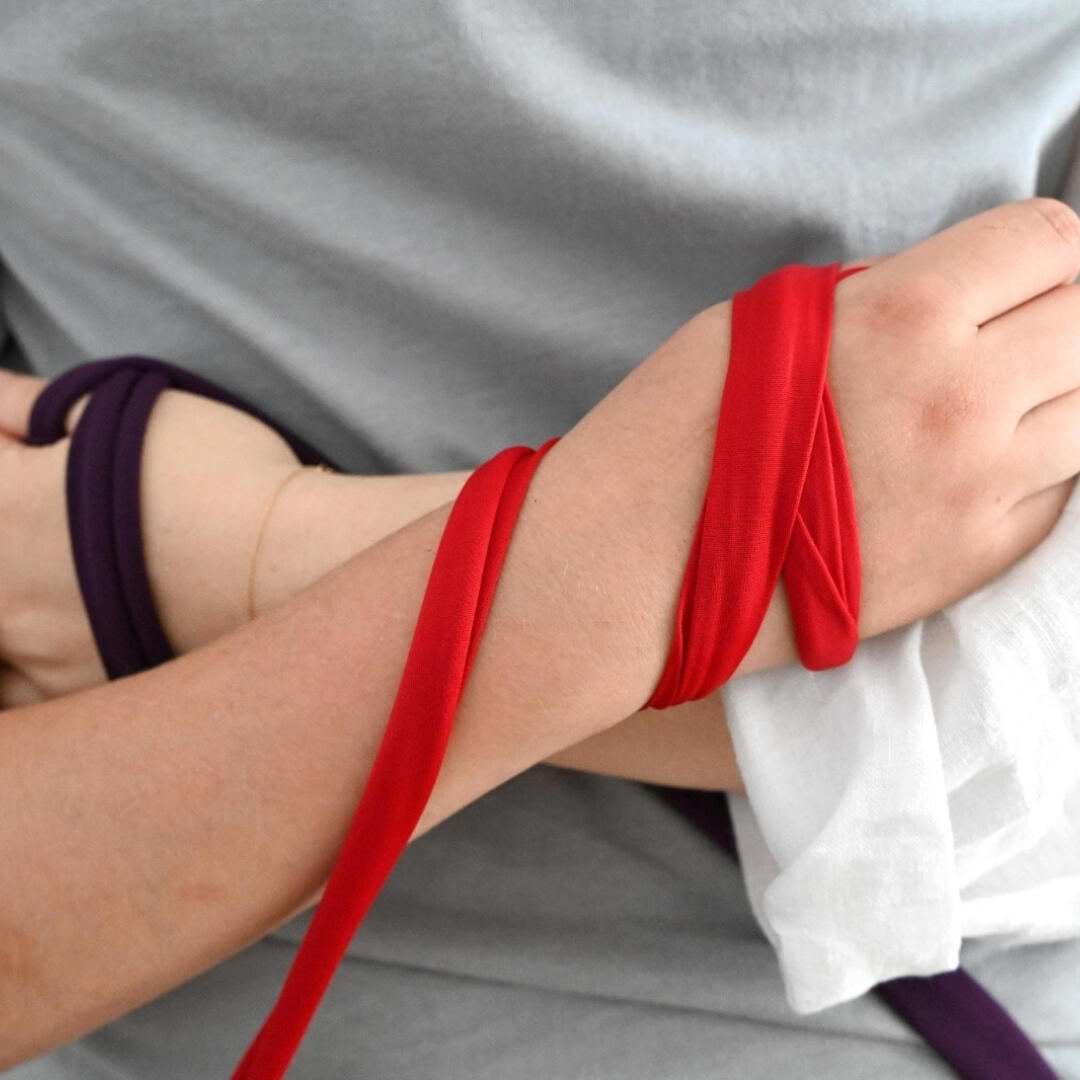
A9. Parteneriat cu familia
Dezvoltarea copilului este susținută atunci când există continuitate între experiențele trăite în cadrul programului și mediul familial. PULS promovează o relație de colaborare cu părinții, bazată pe încredere, dialog și respect reciproc, fără evaluări sau etichetări, ci prin împărtășirea observațiilor și a progresului copilului.
Vrei să ne cunoaștem, pentru a afla dacă programul PULS se potrivește cu nevoile familiei voastre?
Scrie-ne pentru a stabili o întâlnire!
© TeatruDansTerapie. All rights reserved.
Curriculum Vitae
Lucrări de cercetare
🔸Terapia prin dans și mișcare și desenul ca instrumente pentru conștientizarea corporală. Studiu de caz al unui copil autist nonverbal (2025) - publicat în Proceedings of The International Conefernce on Creativity in Dance, vol. 1, UNATC Press 2026🔸Rolul tehnicilor Teatrului Forum în sprijinirea incluziunii copiilor cu TSA în școala de masă (2024)
conferițe
🔸"Interconexiuni Creative – dansul și educația somatică într-o nouă abordare terapeutică" (2025) UNATC
🔸Conferința Internațională ICIE – "Excelență, Inovație și Creativitate în Educație și Psihologie" (2024) UNIBUC
Educație și formare profesională
🔸Psihoterapie prin dans și mișcare
(2023 – 2026)
Formare de lungă durată - Asociația Bulgară de Dans Terapie🔸Psihoterapie prin dans și mișcare
(2022-2023)
80 ore - Asociația Română de Psihoterapie prin Dans și Mișcare🔸Master - Psihopedagogia Școlii Incluzive
(2021-2023)
Universitatea București, Facultatea de Psihologie și Științele Educației🔸Licență - Artele spectacolului - Teatru
(2010 – 2013)
Universitatea Hyperion, Facultatea de Arte🔸Liceu - Profil artistic - Arta actorului
(2006 – 2010)
Liceul de Muzică Dinu LipattiFORMĂRI DE SCURTĂ DURATĂ🔸Teatru Forum (2024)
Organizația Kuringa Berlin🔸Body-Mind Centering (2024)
Thomas și Carla Bottiglieri🔸Dans terapie pentru persoane cu deficiențe de vedere (2023) Katy Dymoke și Jamus Wood🔸Formare Terapia Amniotică (2023 și 2024)
Asociația Sementera Amnios, Perugia
Experiență artistică și terapeutică
terapie
TERAPIE PRIN DANS ȘI MIȘCARE
🔸Lucru individual cu copii neurodivergenți (2024-prezent) Freelance
🔸Ateliere și intervenții de scurtă durată pentru persoane vulnerabile (2023-prezent) Asociația Entuziart
- EEI! - Ecosisteme Empatice Incluzive (2025)
- InterConnectArt (2025)
- Corp, Minte și Intimitate în Relații (2024)
- Valențele curative și performative ale atingerii (2024)
- Cu ochii minții (2024)
- Explorări artistice în educația modernă (2024)
- Speechless - interveníi artistice nonverbale și interdisciplinare (2023)TERAPIE AMNIOTICĂ
🔸Ateliere și intervenții de scurtă durată (2024-prezent) Asociația Entuziart
teatru
REGIZOR JOKER DRAMATURG🔸"Zmeii și Cei-Care-Au-Devenit-Furtună" (2025) Asociația Entuziart
🔸"De ce nu mă ascultă nimeni?" (2024) Asociația Entuziart
🔸"Povestea lui Luca" (2022) – Asociația The Story of Autism
🔸Teatru de umbre pentru copii (2018-prezent) Proiect personal
- Lumea de Sub Valuri
- Sofia și Uriașul
- Festivalul Chinezesc
- Muppet și Marioneta
🔸“A fi sau a nu fi” (2014) Proiect personalACTOR🔸Teatru pentru copii în grădinițe (2017-1019) Dino Piccolino
🔸Teatru ambulant pentru copii, zone defavorizate din România (2014-2017) Teatrul PasFACILITATOR ATELIERE
🔸Formare profesori în metodologia TF (2025) Asociația Entuziart
🔸Educație corporală, identificarea abuzului (2024) Asociația Entuziart
🔸Incluziune copii autiști în școala de masă (2023) Asociația The Story of Autism
🔸Incluziune copii autiști în școala de masă (2022) Proiect personal
atele
SCRIERE ȘI COORDONARE PROIECTE FONDURI NERAMBURSABILE🔸EEI! Ecosisteme Empatice Incluzive (2025) Asociația Entuziart
🔸Corp, Minte și Intimitate în Relații (2024) Asociația EntuziartEDUCAȚIE🔸Pedagog afterschool (2023) Școala Gimnazială Ana Lugojana
🔸Asistent personal persoană cu dizabilitate mintală moderată (2021-2023) DGASPC Sector 6
🔸Facilitator ateliere de joc, improvizație, teatru de umbre și marionete, tabere educaționale (2013 – present) FreelanceVOLUNTARIAT🔸Dans-terapie (2023-prezent) Asociația Entuziart
🔸Dans-terapie (2022-2023) Școala Profesională Specială Sf. Nicolae
🔸Shadow (2021) suport în grădinițe și clasa 0 pentru copii cu TSA
🔸Organizare grupuri de socializare și technician terapie copii cu TSA (2021) Cabinet Psihologie E.M.
🔸Erasmus+ - Proiecte educaționale, culturale și artistice pentru copii vulnerabili și adolescenți (2016) Synergia, Portugalia
Contact
Sunt Ana Dumitrașcu – regizor, Joker și dans-terapeut în formare.
Lucrez cu povești, corpuri și comunități, în București și oriunde sunt oameni curioși să exploreze schimbarea prin artă.
Iubesc natura, plimbările lungi, conectarea profundă cu cei din jurul meu. explorarea interioară și exterioară, arta și expresia umană autentică.
Dacă simți că putem crea ceva împreună – fie un proiect, un atelier, un spectacol sau o sesiune de terapie – lasă-mi un mesaj.
🔸Telefon: 0751829977
🔸E-mail: [email protected]
🔸Spațiu Creativ Neurodivergent, Strada Șepcari nr. 9, București
© TeatruDansTerapie. All rights reserved.
Dance Movement Therapy and Drawing as Tools for Body Awareness: A Case Study in Non-Verbal Autistic Children
Ana Maria Dumitrașcu
Dance Movement Therapist in training, Bulgarian Association
Lives and works in Bucharest, Romania
E-mail: anadumitrascu.dmt @gmail.comABSTRACT
This paper explores the integration of Dance Movement Therapy and drawing as complementary tools to support body awareness and emotional self-regulation in a nonverbal autistic child. Over the course of 20 therapeutic sessions, a variety of movement-based techniques—such as mirroring, movement and sound attunement, touch, contact improvisation and object play—were carefully adapted to meet the child’s individual needs and internal rhythm. These sessions were complemented by a visual practice involving drawings made before and after each encounter, using a body outline pre-drawn by the therapist. The child was invited to colour the outline freely, without specific instructions, offering a visual and nonverbal method to monitor changes in perception, integration, and emotional state.
At the beginning of the intervention, the child showed signs of low tolerance to physical and visual contact, reduced attention span, and resistance to task engagement. As the therapeutic process evolved, notable improvements were observed: increased emotional expressiveness through movement and sound, improved motor coordination, stronger eye contact, and a more active use of touch as a communicative gesture. The drawings reflected these developments as well—becoming more integrated, less chaotic, and more expressive of specific body areas over time.
This case study suggests that the integration of drawing into dance movement therapy may serve not only as a valuable evaluative tool for nonverbal children but also as a therapeutic extension of embodied work. The findings point to the potential of multisensory and
nonverbal approaches in supporting emotional and bodily development in nonverbal autistic children.
Keywords: dance movement therapy, touch, autism, body awareness, drawing, assessment
IntroductionRecent years have witnessed growing interest in the use of expressive arts and body-based therapies in the support of autistic individuals. Many studies have been done on supporting the idea that Dance Movement Therapy (DMT) is an effective tool for development in nonverbal children, creating relationship (otherwise a lifelong difficulty) and developing body awareness and expressiveness. Being a multimodal and integrative approach, DMT complements other expressive arts and somatic practices, enriching the therapeutic process. Its flexibility allows for the incorporation of music, visual art, props, and vocal play, creating a dynamic, individualized space for engagement and regulation (Koch et al., 2015; Samaritter, 2015; Tortora, 2011).
Rooted in embodied cognition and somatic psychology, DMT provides a multisensory, nonverbal pathway to emotional expression, regulation, and interpersonal connection (Koch et al., 2015; Samaritter, 2015; Tortora, 2011). Simultaneously, drawing—frequently used in both art therapy and DMT—offers children a concrete, visual channel for emotional processing and self-exploration (Faber, 2019; Samaritter, 2015).
This study investigates the integration of DMT and drawing in therapeutic work with a nonverbal autistic child. It seeks to understand how body awareness and emotional regulation can be enhanced through movement, touch, and visual expression. Moreover, it explores the use of drawing as a qualitative assessment method in therapeutic contexts. The structure of the paper includes a theoretical overview of embodied approaches in autism therapy, detailed methodology, observational and artistic results, and a discussion on the implications of this integrative method. This case study follows the therapeutic journey of Radu (pseudonym), a 10-year-old nonverbal autistic boy, over the course of 20 sessions combining DMT, Body-Mind Centering (BMC), and an experimental body-based drawing protocol.
The intervention took place mostly at home and for a few times at school, offering insight into Radu’s relational, sensory, and environmental dynamics. By following his lead and
offering structure only when needed, I sought to create a space of safety, attunement, and bodily expression. Using Kestenberg Movement Profile (KMP) for observation, floorwork inspired by BMC, and spontaneous drawing as both assessment and integration, the sessions evolved into a rhythmically responsive and affectively rich space, positioning DMT not as a corrective tool, but as a relational and embodied medium that supports emotional regulation, body awareness, and the child’s ability to make choices and engage actively in the process.THEORETICAL FRAMEWORKDance Movement Therapy and Autism
DMT engages the body as both medium and message, creating a unique space for expression and self-awareness, emotional regulation, and interpersonal connection. This is particularly relevant for children on the autism spectrum, who often face challenges in verbal communication and social reciprocity. Grounded in sensory-motor engagement and affective attunement, DMT bypasses the need for verbal language, instead drawing on rhythm, movement, and play to foster co-regulation and expression (Koch et al., 2014; Samaritter, 2015; Chiang et al., 2020). These movement-based interactions echo early developmental processes of connection and affective mirroring, in which bodily attunement forms the foundation for social and emotional communication (Tortora, 2011).
Nonverbal children, in particular, benefit from Dance Movement Therapy’s ability to engage pre-verbal channels of expression and meaning-making (Cornacchini, 2020; Koch et al., 2014). As Cornacchini (2025) emphasizes, DMT’s strength lies in blending movement with creative expression, offering neurodivergent children diverse sensory and relational entry points. Given that autistic individuals often perceive and interact with the world through unique sensory and motor pathways, DMT serves as a responsive and inclusive medium, especially where verbal communication is limited, helping children feel seen, settle their nervous systems, and express themselves through movement. (Tortora, 2011; Koch et al., 2014; Samaritter, 2015; Porges, 2011; Faber, 2019)
Further, critical perspectives in the field encourage a shift from correctional or normative approaches to those emphasizing relationship, safety, and the individual’s embodied narrative
(Faber, 2019; From Fixing to Connecting, 2020). Multimodal DMT approaches (integrating sound, imagery, props, and art) create openings for participation and enrich communication across sensory domains (Lesley University, 2019).Touch and Body awareness
Touch, movement, and body awareness are foundational to sensorimotor integration and emotional development. In somatic approaches like BMC, touch is understood not merely as physical contact but as a deeply relational and sensory experience that nurtures internal coherence, embodiment, and a felt sense of safety (Cohen, 1993; Greil, 2020). For children on the autism spectrum, carefully attuned tactile and proprioceptive input—offered with respect and sensitivity—can reduce hyperarousal and support self- and co-regulation (Tortora, 2011). As Greil (2020) emphasizes, touch in BMC is non-intrusive, specific to each child’s process, and invites curiosity rather than compliance. Over time, tactile engagement may shift from resistance to openness, becoming a dynamic medium for shared presence, trust, and kinesthetic communication (Faber, 2019; Samaritter, 2020).Kestenberg Movement Profile (KMP)
KMP is a psychomotor assessment and observation system that decodes movement as an expression of psychological and developmental functioning (Loman & Merman, 1996). Developed by Judith Kestenberg, it maps tension-flow rhythms and developmental patterns that correspond with emotional tone, sensory preferences, and relational style.
In children with autism, rhythmic patterns such as biting, drifting, snapping, and sucking can reflect internal regulation strategies, affective states, or attempts at self-soothing (Samaritter, 2015; Lesley University, 2019). By observing these rhythms and qualities, the therapist gains insight into the child's internal world and may respond through attuned movement, offering either resonance or contrast to support modulation (Chiang et al., 2020).
As a therapeutic tool, KMP deepens the therapist’s capacity to perceive and respond to the subtle language of the body. It allows for the observation of developmental shifts over time, offering insight into how a child grows into movement and emotion (Loman & Merman, 1996). By tracking rhythmic patterns and tension-flow affinities, the therapist can begin to decode embodied signals of need, stress, or regulation (Samaritter, 2015; Kestenberg-Amighi
et al., 1999). Rather than seeking correction or normative movement, the KMP approach fosters relational attunement, meeting the child within their unique movement vocabulary and offering a nonverbal bridge between internal states and social connection (Samaritter, 2020; Loman & Merman, 1996).
When used in combination with DMT and BMC, KMP provides an embodied language for observing, relating to, and supporting children who communicate primarily through movement.Multimodal integration
DMT practices are often enriched through multimodal approaches that integrate music, props, visual arts, storytelling, and vocal play. These offer multiple entry points for children with diverse sensory preferences and communication styles (Cornacchini, 2020; Lesley University, 2019). In a therapeutic setting, such combinations may support attention, motor planning, creativity, and social participation—especially when tailored to individual rhythms and interests (Faber, 2019; Samaritter, 2020). As Rethinking Autism (2020) suggests, interventions that privilege embodied experiences over normative goals support more inclusive, empowering outcomes.
Drawing as assessment an expression
Drawing is a well-established tool in child therapy, functioning as both expressive outlet and diagnostic mirror. In children with limited verbal expression, drawings may reveal inner emotional states, body image, sensory processing experiences, and even relational patterns (Faber, 2019; Samaritter, 2015).
Anchoring these drawings in a body outline, as in this study, helps bridge the gap between inner sensation and external form. Elements like colour use, line pressure, symmetry, and attention to body regions may indicate shifts in perception, regulation, or affect. When applied before and after movement-based sessions, such drawings can serve as a visual diary of change and integration over time (Chiang et al., 2020; Art Therapy Interventions, n.d.).METHODOLOGY
Case description – initial observations
Radu is a 10-year-old nonverbal autistic boy who lives with his parents and grandmother in a rented house with a long, narrow garden, not far from school. Most of our sessions took place in his home, in a room used mainly for therapy and homework. Toward the end of our work together, we moved to a larger, more comfortable and neutral space, where Radu adjusted easily.
Almost every time, Radu and his grandmother would come to meet me at the gate, which was helpful, since one of their dogs could be aggressive. Radu often came outside barefoot, sometimes in shorts, sometimes in just his underwear, his legs dark from dust and covered with mosquito bites that he would often scratch during the session.
In the beginning, I hoped the family could be more involved in the process. But I soon realized that this wasn’t realistic for several reasons. His grandmother, who I saw as his main caregiver, would use the session time to take care of house chores that were hard to do while watching over him. His parents were usually at work. I did get to meet them from time to time and share some feedback. They listened kindly, smiling and nodding. From my point of view, they seemed tired from years of therapy and mostly wanted Radu to be safe, happy, and able to grow at his own pace.
Radu goes to a regular school in the neighbourhood, where he is supported by a specialist known as a Shadow. When his Shadow couldn’t come, I took him to school a few times while he was in 2nd and 3rd grade. We were seated together at the back of the classroom, separate from the other children so we wouldn’t disturb, something that’s common in Romania. The teacher didn’t come to greet him, and neither did the other students. Most of the time, we worked on preschool-level activity books, but I tried to involve him in whatever creative activities the class was doing, like drawing, gluing, or writing letters during special events.
It was hard for Radu to sit still for four hours like the other children. He wasn’t allowed to move around the classroom when he needed to. After a while, usually one or two hours, he would start crying, screaming, throwing things, asking for food, hugging me, kissing me, anything to avoid staying seated. So sometimes, I would take him outside to run on the
football field, shake, throw a ball, or do whatever else he needed, sometimes even just lying on the ground and looking at the sky.
Being able to see parts of Radu’s home and school life helped me understand him much better. It gave me insight into how he relates to people and situations around him and helped build a real connection between us. I could better understand what he liked, what he didn’t like, what he needed, and what he struggled with. It helped me meet him where he was.
At home, Radu often seemed tired of the therapy room and would leave it to walk around the house whenever he could. I usually followed him quietly, and he didn’t seem to mind. Sometimes he would look back and notice I was there. These moments gave me a good view of how he moved when he was free and relaxed. Using the Kestenberg Movement Profile (KMP) as a guide, I noticed that his movements often showed certain rhythms like snapping, running, drifting, or jumping, which seemed to reflect how he was feeling or helped him calm down.
He liked to walk back and forth in the room, looking like he didn’t have a plan, and rarely stopped. Sometimes his walk became more rhythmic. He would bend forward, raise one knee, and breathe loudly, going forwards and backwards. Other times, he would jump on his bed and kick his legs up on the wall. In the first sessions, he often walked in circles while breathing heavily, sometimes stopping to flap the edge of a rug or flip through books and papers. Then he would retreat to a corner and not want to interact. In rare moments when he was very upset, he would bang his bottom on the floor and cry. Luckily, those moments stopped after a few meetings. One behaviour that continued for longer, though less often over time, was slapping his own legs or belly, maybe as a way to release tension or feel something more clearly.
From the start, Radu showed some clear behaviour patterns. He had a short attention span and would leave an activity after only a few minutes. He avoided touch and eye contact, but he really liked tactile experiences. He could become frustrated quickly, though he sometimes surprised me with sweet and affectionate moments, giving kisses or cuddles. He was very sensitive to sounds and movements happening in the room, the house, or even outside in the garden. Out of all the activities, painting (especially with his fingers) was something he really enjoyed and stayed focused on.
Later in the process, a colleague of mine joined the sessions to observe. She mostly watched and took notes, which helped us see more clearly how Radu’s behaviour and way of connecting were changing over time.
Therapeutic structure and techniques
The intervention included 20 sessions, each lasting approximately two hours, held weekly or bi-weekly. The initial phase focused on building rapport, exploring Radu’s preferences, and establishing co-regulation. As trust developed, the sessions adopted a more consistent structure, generally unfolding in three parts: a warm-up, interactive movement and body awareness work, followed by a closing segment that often included drawing.
In the early sessions, I primarily followed Radu around the room, observing and gently mirroring his movements. I invited interaction through playful gestures and the use of props, occasionally initiating brief, respectful touch on the arm, hand, or shoulder. At times, I simply witnessed from a distance, allowing him space. He sometimes appeared puzzled or annoyed by my presence, curiously watching me from the side, freezing in response to touch, or tossing aside the scarves I offered for comfort when he became upset. However, as our bond deepened, these reactions softened. Gradually, Radu began to engage more directly, while episodes of frustration and emotional outbursts diminished. He started to greet me at the gate and would head straight to the therapy room, waiting with anticipation and often responding with joy to invitations to dance.
Over time, I became more attuned to his rhythms and preferences, shaping the session structure organically around his needs.Sessions typically followed this three-part format:
1. Grounding and body awareness (floorwork) We often began on the floor with a quiet moment of connection, simply being together. This served as a grounding ritual, allowing us to attune to each other’s energy. Background music (usually a lo-fi playlist) played softly, adjusting it as we moved forward into the session. Using BMC techniques, I offered gentle, attuned touch to support body awareness and sensory regulation. Movement arose naturally and intuitively, without a fixed goal. Sometimes I used a toy or musical instrument to help focus Radu’s attention while guiding his body and naming body parts or actions. I responded to any sounds he made, matching them vocally or rhythmically. My
attention moved between the sensations in his body and mine, maintaining awareness of the space and its dynamics.
If Radu chose to get up and walk around in his usual patterns, I often let him, observing with openness. At other times, I gently introduced resistance to his movement to invite new responses, encourage boundary-setting, or engage him playfully. As his energy built and he seemed ready for more active play, I proposed floor-based movement, using developmental patterns such as rolling, reaching, pushing, pulling, creeping, crawling, rocking, bridging, and transitions between prone, supine, and side-lying positions. These were combined with fundamental patterns like head-tail connectivity, body-half and cross-lateral coordination, spinal undulations, and weight shifting. All were introduced in a playful, imaginative manner, often mimicking animals, while prioritizing our therapeutic connection.2. Dynamic movement and interaction The second part of the session adapted flexibly to Radu’s readiness. I followed his lead and introduced change only when it was welcomed, ensuring that the experience remained free of pressure or frustration. As Radu became more comfortable, he began to accept new suggestions and interact more openly with various props and activities. This phase included dance, improvisation, physical exercises, and vocal play. The environment remained playful, responsive, and stimulating. Although I held a structure in mind, nothing was rigid and everything unfolded as a response to Radu’s cues.
Techniques and activities in this section included:
a. Weight shift using contact improvisation
b. “Follow the leader” using the elastic band (with or without verbal prompts)
c. Neck and back-strengthening exercises
d. Upper and lower body coordination tasks
e. Cross-lateral movement
f. Sucking, twisting, or swaying movements based on KMP rhythmic qualities, supported by props
g. Expressive dance, with or without mirroring of movement and sound, often using textured scarves3. Integration and closure The final part of each session often included calming or integrative activities. Depending on Radu’s state, I would sometimes propose painting, playing instruments, or singing familiar songs, while other times we would shift toward quiet, regulating activities such as massage, gentle caresses with props, or rocking (either Radu or a toy). Especially during the earlier sessions, Radu could become easily overstimulated, so this segment played an important role in helping his nervous system settle. It also supported a smoother transition toward the end of the session and the rest of his day. We often closed with a simple improvised dance, playful, expressive, and intuitive, serving as a way to say goodbye through movement.Drawing protocol
Like many elements in our sessions, the drawing practice emerged intuitively. During one early session, I found some printed outlines of children's figures, likely left behind by another therapist. I casually offered Radu one to colour while I prepared the space. Near the end of the session, I had a hunch that perhaps repeating the drawing could show a shift and so I gave him a second outline to colour. The difference between the two was striking. Curious, I photographed them and shared them with an art therapist, whose feedback confirmed my intuition: the drawings appeared to reflect a kind of emotional release.
That moment became the seed of what developed into a drawing protocol. At the beginning and end of each session, I created for Radu the same body outline and invited him to colour freely, without giving specific instructions. A set of coloured pencils was always available. These drawings were later reviewed for emerging patterns, shifts in expression, and potential correlations with behaviour or movement observed during the session.Role of the therapist
In my role as therapist, I took on the position of responsive co-regulator and embodied companion, continuously adjusting to Radu’s emotional cues, movement rhythms, and sensory thresholds. My primary aim was to build trust and safety through presence, not pressure. Observing quietly, following his lead, and creating space for expression on his terms.
Touch, when used, was always purposeful and attuned, often inspired by BMC techniques to enhance body awareness and grounding. Rather than imposing a fixed plan, I allowed
structure to emerge from Radu’s own preferences and pacing. Movement, sound, and playful interaction became our shared language, where every proposal could be accepted, modified, or declined freely.
I shifted fluidly between roles: sometimes a witness, sometimes a partner in motion or sound. I monitored both his regulation and my own, adapting the session flow to match his energy and focus, while incorporating familiar rituals to create predictability and closure. Above all, I aimed to foster a relationship rooted in safety, curiosity, and mutual respect. One in which Radu could explore new forms of engagement while remaining grounded in his own agency and rhythm.Ethical considerations
Informed consent was obtained from Radu’s parents for his participation in therapy and for the anonymous documentation of the work. His name has been changed, and all identifying details have been altered or omitted. No video or photography was used during the sessions, except for photos of his drawings, which were taken thoughtfully and used solely for observation, analysis, and reflection within the therapeutic context.
Throughout the process, I was attentive to Radu’s emotional and sensory boundaries, working moment by moment to modulate intensity, proximity, and activity. Interventions were always presented as invitations, never demands. Respecting his autonomy was essential, and I remained committed to fostering an atmosphere of predictability and attunement. Co-regulation, rather than correction, was at the heart of the ethical stance I upheld, ensuring a relational space where safety and connection could naturally emerge.FINDINGS
Across the 20 sessions, clear patterns and developmental shifts emerged in Radu’s movement, behaviour, and emotional expression. These offered insight into his evolving needs, preferences, and internal rhythms, while also highlighting the transformative potential of the therapeutic relationship.
Movement patterns as communication Radu consistently relied on rhythmic and repetitive movement (circling, pacing, jumping, flapping) as a means of regulating internal states and navigating sensory input. Viewed
through the lens of the KMP, these patterns often aligned with rhythmic tendencies such as snapping, biting, drifting, and jumping, reflecting states of arousal or disorganization. Over time, his movement vocabulary expanded: he began to initiate cross-lateral actions, weight shifts, and fluid level transitions, suggesting increased neuromotor integration and body awareness.
Sensory sensitivities and preferences Initially highly reactive to environmental stimuli, Radu showed strong responses to sound, texture, and proximity. He avoided eye contact and touch, yet was drawn to tactile exploration, especially through finger painting or textured props. As trust developed, he began to seek out deep pressure and proprioceptive input, gradually shifting from avoidance to co-regulation through touch. His growing comfort with sensory engagement mirrored a broader emotional openness and reduction in reactivity.
Emotional regulation through movement Large-scale, dynamic movement like rolling, jumping and rocking, proved vital for emotional discharge and nervous system regulation. These actions allowed Radu to process and express affect nonverbally, while floorwork based on developmental patterns (creeping, crawling, bridging) supported emotional containment and organization. Over time, he transitioned more smoothly between states of high arousal and calm, demonstrating a greater capacity for emotional modulation.
Relationship development and engagement At the outset, Radu appeared distant and often disengaged. Gradually, however, he began to greet, anticipate sessions, and initiate shared rituals. His ability to engage in joint attention and sustained interaction improved, and his tolerance for co-presence expanded. Activities that once prompted withdrawal or frustration became entry points for connection and play.
Emotional expression and communication From early expressions of distress (screaming, crying, self-slapping) Radu began to access a wider range of nonverbal communication. Posture, breath, gesture, and vocalization became increasingly expressive and purposeful. He showed more nuanced emotional states and began to invite or respond to touch and sound with greater flexibility, marking a shift toward relational reciprocity.
Mirroring and reciprocity Radu’s early mirroring behaviours were sparse and inconsistent. However, by mid-intervention, he engaged in rhythm-based interaction, brief shared movement sequences and even micro-mirroring. These behaviors, while subtle, indicated a progressive development in Radu’s capacity for nonverbal attunement, co-regulation, and engagement in reciprocal interaction - core components of early relational and communicative functioning.
Creative expression as emotional outlet The spontaneous integration of body-outline drawings provided a parallel, visual record of internal shifts. Radu’s artwork evolved from chaotic and disjointed forms to more coherent, expressive compositions. These served as valuable tools for reflection and integration, reinforcing insights gathered from movement and behaviour.The evolution of Radu’s drawings: A comparative analysis
The drawing protocol (two outline-based images created before and after each session) offered a visual window into Radu’s emotional and somatic states. With minimal verbal guidance and consistent materials, the drawings revealed distinct patterns aligned with observed behavioural changes.
Use of colour and composition: Drawings completed in a single colour tended to reflect calm and cohesion. These often occurred during sessions marked by body integration and emotional regulation. Early phase drawings (sessions 1-10) from the initial sessions were often chaotic, fragmented, or overcrowded with colours. Many featured intense, overlapping strokes, a lot of the times using different colours for isolated areas of the body. Later phase drawings (sessions 11–20) revealed increased coherence and intentionality. Monochromatic schemes became more common (nine across the full period, particularly in this phase), suggesting a growing sense of internal calm and unity. Compositions appeared more balanced and integrated, with layered, softer, rounder strokes and a more deliberate use of colour and space.Attention to body boundaries: When colouring remained close to the body’s outline, it suggested growing awareness of personal boundaries and spatial orientation, mirroring increased comfort with relational and tactile engagement. Colouring during the first half of the intervention was often focused only on parts of the figure, while other parts seemed to be extended out of the lines. These tendencies may reflect blurred body boundaries or
difficulties in spatial organization and self-containment. Such patterns paralleled moments of heightened arousal, sensory overstimulation, and a low tolerance for physical closeness in sessions. Several drawings in the second phase (eight in total) demonstrated focused contour coloring, suggesting clearer awareness of physical limits and personal space. This visual boundary-setting reflected Radu’s growing capacity to tolerate safe touch and sustain a consistent relational bond with the therapist. However, in the final two sessions, his drawings once again suggested emotional overflow, echoed in moments of anger during the sessions. This may indicate that the drawings served as a sensitive mirror of his inner emotional state.
Emotional tone and visual rhythm
During periods of heightened stress at home or school, Radu’s drawings became agitated, marked by overlapping colours, erratic lines, or visual disorganization. These mirrored real-life dysregulation and contextual distress. In the early sessions, Radu’s drawings conveyed a sense of agitation, marked by dense, rigid lines, strong pressure on the crayons, and repetitive, straight strokes. These visual elements reflected inner tension, emotional overload, and limited expressive flexibility. As the intervention progressed, a notable shift occurred. In the final sessions, his compositions became lighter, more fluid and spacious, marked by airy strokes and an overall softer rhythm. These changes pointed to greater emotional regulation and the release of built-up tension, likely supported by dynamic movement work and co-regulatory experiences. The evolving visual rhythm mirrored Radu’s increased tolerance, sustained attention, and expanded emotional expression.CONCLUSION
The progression of Radu’s drawings offered compelling visual evidence of his internal transformation throughout the therapeutic process. Early images revealed signs of fragmentation, sensory overwhelm, and relational distance, while later compositions reflected growing coherence, self-regulation, and emotional openness. These visual shifts paralleled broader behavioural developments, including enhanced motor coordination, adaptive emotional responses, and increased relational presence.
Far beyond creative expression, the drawings became meaningful indicators of somatic and emotional change, providing a visual narrative that complemented movement-based observations and deepened insight into the child’s embodied experience. Their consistency and evolution underscored their value as both expressive and evaluative tools within the therapeutic setting.
This case study highlights the benefits of combining DMT, attuned touch, and drawing to support self-awareness and regulation in nonverbal autistic children. The integration of these modalities fostered spontaneous expression, reduced dysregulation, and nurtured relational connection in a developmentally attuned and sensory-responsive way.
Overall, this work encourages a playful, flexible, and child-centered approach that honours neurodiverse modes of communication. It suggests that multisensory, arts-integrated interventions can offer safe, resonant pathways for expression, healing, and growth in children for whom words may not yet suffice.DISCUSSION
The intervention facilitated visible, meaningful shifts in Radu’s behaviour and expression. Movement and drawing offered reciprocal channels for embodiment and communication. Drawing served not only as an evaluative tool, but as a continuation of movement—a visual echo of the somatic experience.
Findings support existing literature on the effectiveness of DMT with nonverbal populations and extend it by illustrating the value of visual integration. The child’s increased use of micro-mirroring and attention to body regions in drawings align with somatic learning theories.
The co-regulatory nature of the relationship was central. My adaptability and the predictability embedded in touch, rhythm, and movement may have supported vagal tone and encouraged social engagement behaviours, helping to create a sense of safety and relational openness. This was reflected in Radu’s growing tolerance for touch, participation in floorwork, and use of affective gestures such as grabbing my hand and calling me to dance, mirroring, smiling. The body-outline drawings further externalized his internal experience, allowing insight into his sensory world and progress over time. The use of the KMP allowed me to decode rhythmic patterns and offer movement-based responses tailored to his internal state.
These findings align with existing literature advocating for relational, play-based, and body-oriented approaches in autism therapy (Cornacchini, 2020; Samaritter, 2020; Tortora, 2011). Notably, the drawings did not merely assess change but contributed to integration—bridging movement and meaning in a way that honoured Radu’s agency and sensory language. This supports a shift from goal-driven correction toward relationship-centred development, affirming the child’s embodied narrative. In practice, this study highlights the importance of co-regulation, rhythmic attunement, and creative modalities in autism therapy. It reinforces the value of arts-integrated approaches that respect neurodivergent embodiment and foster relational presence over correctional goals.LIMITATIONS AND FUTURE DISRECTIONS
This case study focuses on the experience of a single child and cannot be generalized to all autistic children. The drawing protocol, although insightful, was interpretive and lacked standardized evaluation or inter-rater reliability. The absence of pre/post quantitative measures and a control condition further limits empirical conclusions.
Future research could benefit from longitudinal studies involving multiple participants and therapists, comparative protocols exploring the added value of drawing in DMT, and integration of physiological or psychometric tools to support embodied observations. Additionally, it would be valuable to further investigate the role of rhythm, attuned touch, and relational safety in building therapeutic alliances with nonverbal children.REFERENCES
Chiang, M., Reid-Varley, W. B., & Fan, X. (2020). Effects of dance movement therapy on nonverbal children with autism spectrum disorder: A randomized controlled trial. American Journal of Dance Therapy, 42(1), 24–41. https://doi.org/10.1007/s10465-020-09332-4
Cohen, B. (1993). Sensing, feeling, and action: The experiential anatomy of Body-Mind Centering. Contact Editions.
Cornacchini, G. (2020). Multimodal dance/movement therapy for children with autism. Children and Youth Services Review, 119, 105207. https://doi.org/10.1016/j.childyouth.2020.105207
Faber, R. (2019). From fixing to connecting: Dance movement therapy as relational praxis with autistic children. Signal – Journal of the American Dance Therapy Association, 3(1), 4–10.
Greil, T. (2020). Somatic Learning and Therapy with Children in the Autistic Spectrum from the Perspective of Body-Mind Centering
Koch, S. C., Mehl, L., Sobanski, E., Sieber, M., & Fuchs, T. (2014). Fixing the mirrors: A feasibility study of the effects of dance movement therapy on young adults with autism spectrum disorder. Autism, 19(3), 338–350. https://doi.org/10.1177/1362361314522353
Lesley University. (2019). Kestenberg Movement Profile and the Peabody Developmental Motor Scales: A comparative analysis.
Loman, S., & Merman, A. (1996). The KMP: A tool for dance/movement therapy. American Journal of Dance Therapy, 18(2), 39–62. https://doi.org/10.1007/BF02506667
Samaritter, R. (2015). Interaffectivity in movement: A first-person approach to embodied intersubjectivity. Phenomenology and the Cognitive Sciences, 14(1), 95–110. https://doi.org/10.1007/s11097-014-9378-4
Samaritter, R. (2020). Working with children in the autistic spectrum: A movement-based, relational approach. [Manuscript].
Tortora, S. (2011). The need to be seen: From Winnicott to the mirror neuron system, dance/movement therapy comes of age. American Journal of Dance Therapy, 33, 4–17. https://doi.org/10.1007/s10465-011-9107-5
Piliere, R. (2018). Art Therapy Interventions that Facilitate Non-Verbal Expressions and how Art Therapy Can Improve Communication for Children with Autism. Undergraduate Honors College Theses 2016-. 27. https://digitalcommons.liu.edu/posthonorstheses/27Ana Maria Dumitrașcu holds a degree in Theatre and Performing Arts, a Master’s degree in Inclusive Education, and has completed a 3-year training program in Dance Movement Therapy. She has worked with children in educational and therapeutic settings for over 12 years, dedicating the last 4 years to children and individuals with diverse abilities, with a particular focus on autistic children. Her work explores movement-based therapies and practices involving touch, such as Body-Mind Centering (BMC), amniotic therapy, and contact improvisation, while also integrating Forum Theatre techniques to support embodied collective change. She actively advocates for multidisciplinary collaboration and aims to build bridges between the general public, neurodivergent communities, and spaces centered on wellbeing and acceptance. She has contributed to the development of cultural-therapeutic projects such as Body, Mind and Intimacy in Relationships, Inclusive Empathic Ecosystems, and Curative-Performative Valences of Touch. She presented her research at the ICIE Conference (Bucharest, 2024), and in 2025 participated in the EADMT Conference (Vilnius) with a study on body mapping in blind individuals. She is currently developing artistic and therapeutic interventions for young school-age children focused on inclusion, group cohesion, and conflict resolution.

